
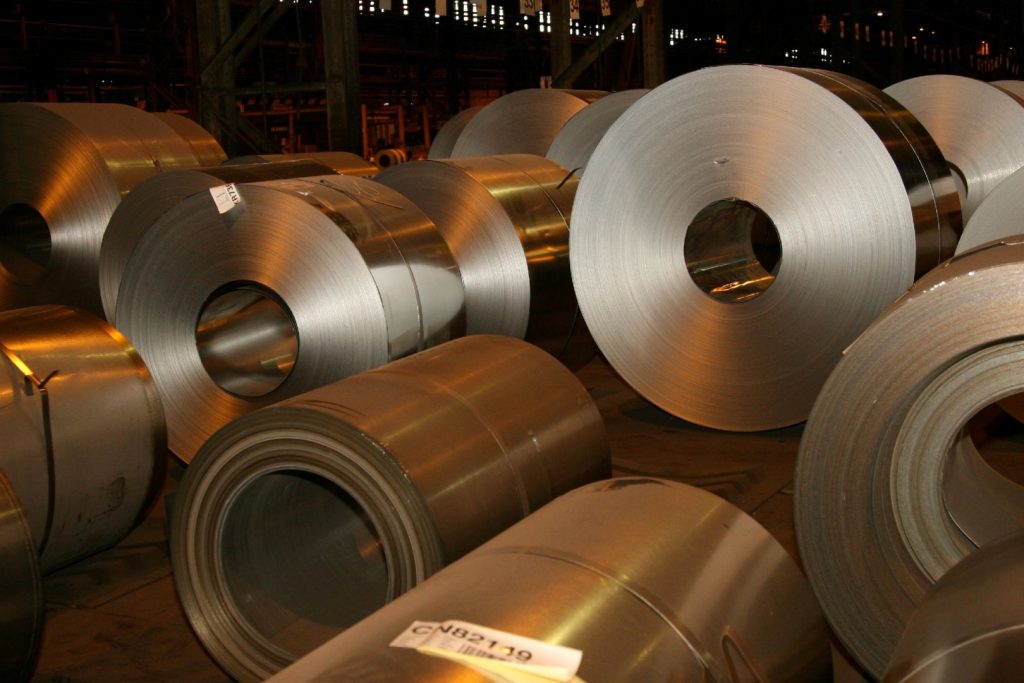
In the world of finance, few stories are as compelling as that of a struggling company fighting to turn its fortunes around. ArcelorMittal South Africa (Amsa) has become a focal point of investor interest as its share price surged nearly 20% in just over a week, fueled by optimism surrounding ongoing negotiations with the Industrial Development Corporation (IDC). This spike in share value signals a renewed confidence among investors that a potential rescue deal could soon be on the horizon for the beleaguered steelmaker.
Understanding the Context of Amsa’s Struggles
The steel industry in South Africa has faced numerous challenges in recent years, and Amsa is no exception. The company has been grappling with significant financial losses, reporting a headline loss of R3.35 billion in 2025, which followed an even greater loss of R5.1 billion the previous year. To compound its troubles, Amsa’s net borrowings climbed to R7.9 billion by June 2026, up from R6.8 billion at the end of the preceding year. These figures paint a grim picture of a company caught in a vicious cycle of unsustainable losses.
Amsa’s challenges are not solely self-inflicted. The company has been severely impacted by the influx of inexpensive steel imports from China, where producers benefit from substantial government subsidies and regulated tariffs. As Amsa contends with rising production costs, particularly in electricity, which have soared by 835% over the last decade, Chinese competitors continue to enjoy stable pricing structures. This disparity has placed immense pressure on Amsa’s operations, forcing the company to take drastic measures.
Amsa’s Financial Resilience and Strategic Decisions
Despite receiving R2.6 billion in loans from the IDC over the past two years to remain operational, Amsa made the difficult decision to wind down its long-steel operations, including the closure of Newcastle Works, which was a key part of its production capacity. This decision underscores the gravity of the challenges faced by the company, as the government recognizes that shutting down Amsa’s primary steel plants could have dire implications for South Africa’s industrial landscape. The IDC has thus sought to find a solution that not only stabilizes Amsa but also fortifies the country’s steel manufacturing sector against cheap imports.
Recent communications from Amsa indicate that negotiations with the IDC are advancing. A notice issued in late August confirmed that discussions are now at an advanced stage, leading many investors to speculate that an agreement may soon be reached. This optimism is evident in the recent uptick in Amsa’s share price, reflecting a growing belief that a rescue deal could provide the necessary capital to restore stability to the company’s balance sheet and preserve its critical role in South Africa’s steel production.
Key Takeaways for Investors
1. **Market Sentiment**: The substantial rise in Amsa’s share price highlights how investor sentiment can shift rapidly based on developments in corporate negotiations. Amsa’s situation serves as a reminder that financial markets often react to potential positive outcomes even amidst ongoing challenges.
2. **Operational Efficiency**: Amsa’s management has taken significant steps to cut costs and enhance operational efficiencies. CEO Kobus Verster noted that despite difficult market conditions, the company has transformed its operations over the past eighteen months, leading to measurable improvements.
3. **Government Intervention**: The role of governmental support through institutions like the IDC is critical in situations where companies face existential threats. Amsa’s reliance on IDC funding underscores the importance of strategic partnerships in navigating financial turmoil.
4. **Long-Term Strategy**: Amsa is focused on not just surviving but thriving. The company’s long-term strategy includes restoring profitability and positioning itself for future growth, demonstrating that proactive measures can yield positive results.
Insights for Traders and Investors
For traders and investors looking to capitalize on Amsa’s potential recovery, it is crucial to keep an eye on the developments surrounding the negotiations with the IDC. While the recent share price increase presents an opportunity, it is essential to conduct thorough due diligence before making any investment decisions. Understanding the broader context of the steel industry in South Africa, including the impact of international competition and government policies, can provide valuable insights into the sustainability of Amsa’s recovery.
Conclusion
The journey of ArcelorMittal South Africa serves as a poignant reminder of the resilience required to navigate financial adversity. As the company seeks to stabilize its operations and emerge from the shadows of substantial losses, the potential for a rescue deal with the IDC offers a glimmer of hope. For investors, the situation presents both risks and opportunities, underscoring the dynamic nature of the financial markets. Whether Amsa can turn its fortunes around remains to be seen, but its story is one worth following closely in the coming months.