
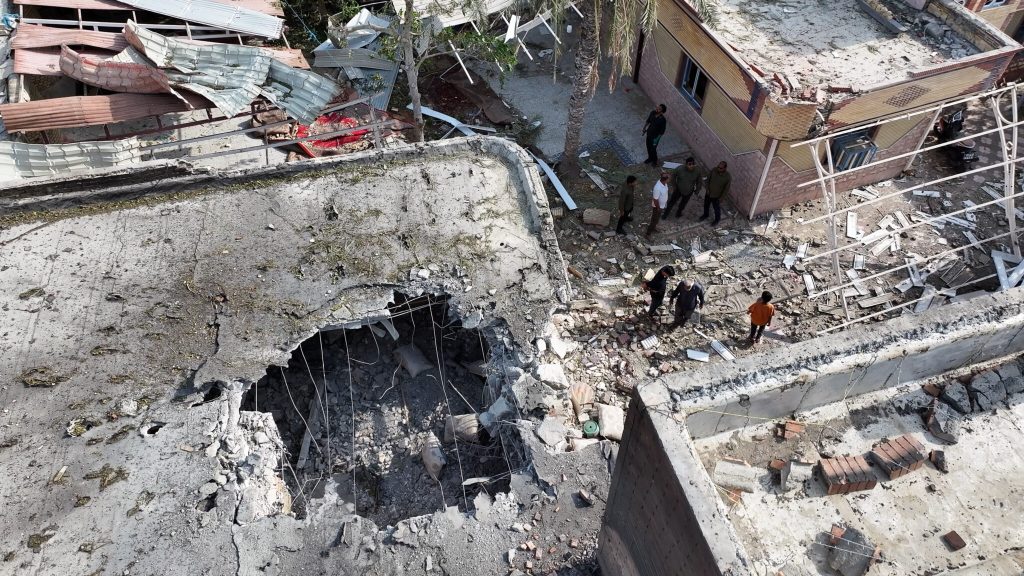
The geopolitical landscape has once again been shaken as tensions between the United States and Iran intensify, with significant implications for global energy markets. Recent military actions by the U.S. have reignited fears of a prolonged conflict in the region, prompting a surge in oil prices and a closer examination of the delicate balance in the Strait of Hormuz, a vital artery for global oil transportation. This blog post delves into the latest developments in the U.S.-Iran conflict, the potential economic repercussions, and insights for traders and investors navigating these turbulent waters.
The backdrop to the current situation involves a series of military strikes by the U.S. targeting Iranian military capabilities along the Strait of Hormuz. President Donald Trump has indicated that these renewed attacks are likely to be brief, suggesting a strategy aimed at containing Iranian threats without escalating into a full-blown war. Nonetheless, as tensions rise and military engagements escalate, the ramifications for global oil prices and investor sentiment are increasingly pronounced.
At the heart of this conflict lies the Strait of Hormuz, a narrow passage through which approximately 20% of the world’s oil supply flows. The U.S. government has long maintained that it has control over this strategic waterway, a claim that is met with skepticism by Tehran. The recent U.S. airstrikes, described as targeting radar and mine-laying capabilities, were part of an ongoing military strategy to deter Iranian aggression. However, Iran’s retaliatory actions, including drone and missile strikes on U.S. bases, highlight the potential for an extended conflict that could disrupt oil supplies and escalate tensions further.
One key takeaway from this situation is the immediate impact on energy prices. Following President Trump’s comments regarding the potential brevity of military action, Brent crude oil prices fluctuated but ultimately saw a slight decrease. Nevertheless, the benchmark remains significantly elevated compared to previous months, reflecting a 57% increase this year alone. The rising cost of refined fuels, particularly diesel, has been particularly concerning, with prices at the pump nearing a four-year high in the United States. This uptick in energy costs is not only affecting consumers but also contributing to volatility in global bond markets as investors react to the potential economic fallout.
Moreover, the U.S. military’s decision to extend troop deployments in the Middle East signifies a commitment to maintaining a robust presence in the region, which could lead to an escalation of military options and further entrenchment of the conflict. Reports indicate that U.S. forces number around 50,000, ready to respond to any emerging threats. This military readiness, while intended to deter Iran, also raises questions about the likelihood of prolonged skirmishes that could further strain the global energy market.
Traders and investors must remain vigilant as the situation evolves. The conflict’s potential to disrupt oil supplies raises concerns about the stability of energy prices, which could have broader economic implications. As winter approaches in the Northern Hemisphere, demand for heating fuels is expected to rise, further exacerbating the pressure on oil prices. In addition, the recent sell-off in global bond markets indicates that investors are increasingly wary of the economic impact associated with rising energy prices and geopolitical instability.
In conclusion, the renewed tensions between the United States and Iran present a complex scenario with far-reaching implications for global energy markets. While the U.S. government asserts control over the Strait of Hormuz and indicates a preference for short-term military actions, the realities on the ground suggest the possibility of a drawn-out conflict. As energy prices remain volatile, traders and investors are advised to closely monitor developments in the region, as the fluctuating dynamics of geopolitics can significantly influence market sentiment. Understanding these complexities is crucial for making informed decisions in an uncertain economic landscape.