
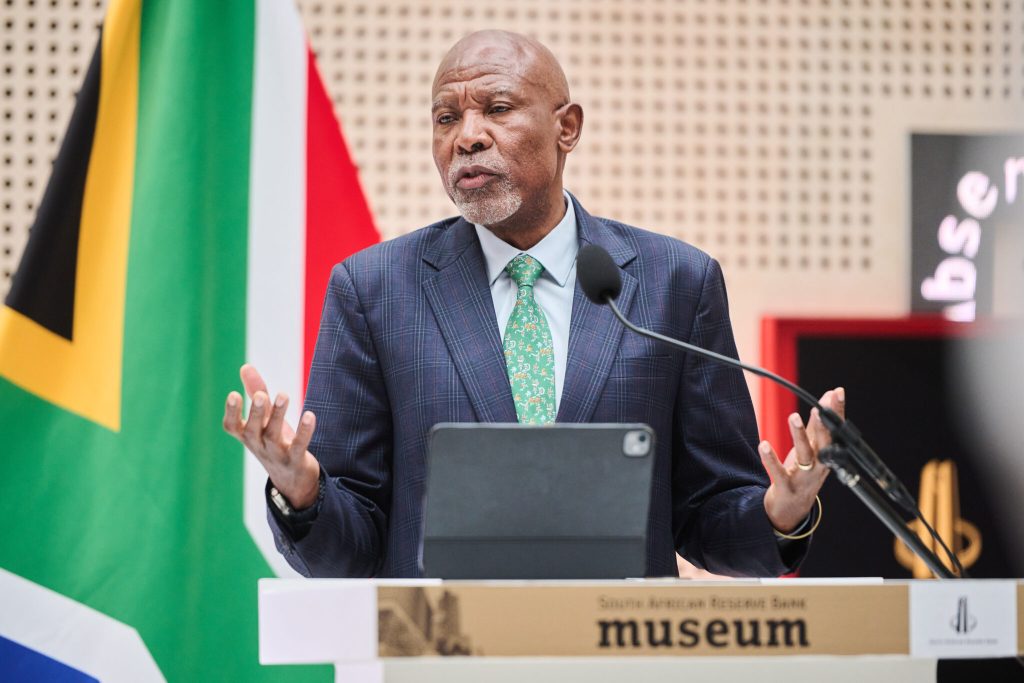
In an era marked by economic uncertainty and unpredictable inflationary pressures, the South African Reserve Bank (SARB) is finding itself at a pivotal crossroads. Recent statements from Governor Lesetja Kganyago highlight the delicate balance policymakers must maintain as they address the ramifications of multiple economic shocks. From escalating oil prices spurred by geopolitical tensions to the looming threat of drought, Kganyago’s insights provide a window into the complex challenges facing South Africa’s economy today.
The term “polyshock,” as coined by Kganyago, encapsulates the various economic disturbances that have converged in recent times, creating an environment where decision-making is more challenging than ever. On the recent episode of News24’s “Business Week” podcast, Kganyago elaborated on how these shocks influence the Bank’s approach to monetary policy. The implications of such a multifaceted environment necessitate a cautious and measured response from policymakers, as the decisions they make now could have lasting effects on the economy and the everyday lives of citizens.
In July, the Monetary Policy Committee (MPC) made the surprising decision to maintain the benchmark policy rate at 7%. This decision came after a previous rate hike of 25 basis points, reflecting a shift in focus toward economic growth and a reassessment of inflation forecasts. The MPC’s choice to hold steady indicates a recognition that while inflation remains a pressing concern, the overall economic landscape warrants a more tempered approach.
As the MPC prepares for its next meeting on September 23, there are mounting pressures stemming from the ongoing conflict in the Middle East, which has contributed to rising energy and fertilizer prices. Moreover, the El Niño weather phenomenon threatens to disrupt rainfall patterns, exacerbating food price inflation, a critical component of the consumer price index that constitutes nearly 17% of its total. These factors underscore the interconnectedness of global events and local economic conditions, making it increasingly imperative for the SARB to navigate these challenges with care.
Market participants have begun to react to these developments, as reflected in forward rate agreements. Currently, there is a 52% probability that the MPC will opt for a 25 basis point increase in the upcoming meeting, a slight decrease from the 61% expectation earlier in the week. This fluctuation in market sentiment mirrors the uncertainty that investors and traders are grappling with as they assess the potential for future interest rate changes.
The commitment to return inflation to the SARB’s target of 3% remains a cornerstone of Kganyago’s strategy. The latest data shows a modest decline in inflation, with rates falling to 4.3% in July from 5% the previous month. Despite these signs of moderation, Kganyago has affirmed the Bank’s resolve to pursue its inflation goals vigorously. He reassured stakeholders that “we will bring inflation back to target,” emphasizing the importance of long-term stability over short-term gains.
Key takeaways from the SARB’s recent communications include the recognition of the complex interplay between global events and local economic conditions, the commitment to a steady policy approach in the face of uncertainty, and a clear focus on returning inflation to target levels. These factors are crucial for traders and investors to consider as they formulate their strategies in this dynamic environment.
For traders and investors, understanding the SARB’s current stance is essential for making informed decisions. The balance between inflation control and economic growth is delicate, and shifts in monetary policy can have significant impacts on market dynamics. Investors should closely monitor upcoming MPC meetings, global oil prices, and agricultural forecasts as these elements will likely influence both short-term and long-term investment strategies.
In conclusion, as South Africa navigates through a period characterized by multiple economic shocks, the SARB’s cautious approach reflects a broader understanding of the complexities at play. The commitment to maintaining stability while responding strategically to economic pressures is paramount. For investors, remaining vigilant and adaptable in a fluctuating economic landscape will be key to successfully weathering these challenges, as the SARB continues its efforts to steer the economy toward a more stable and predictable future.