
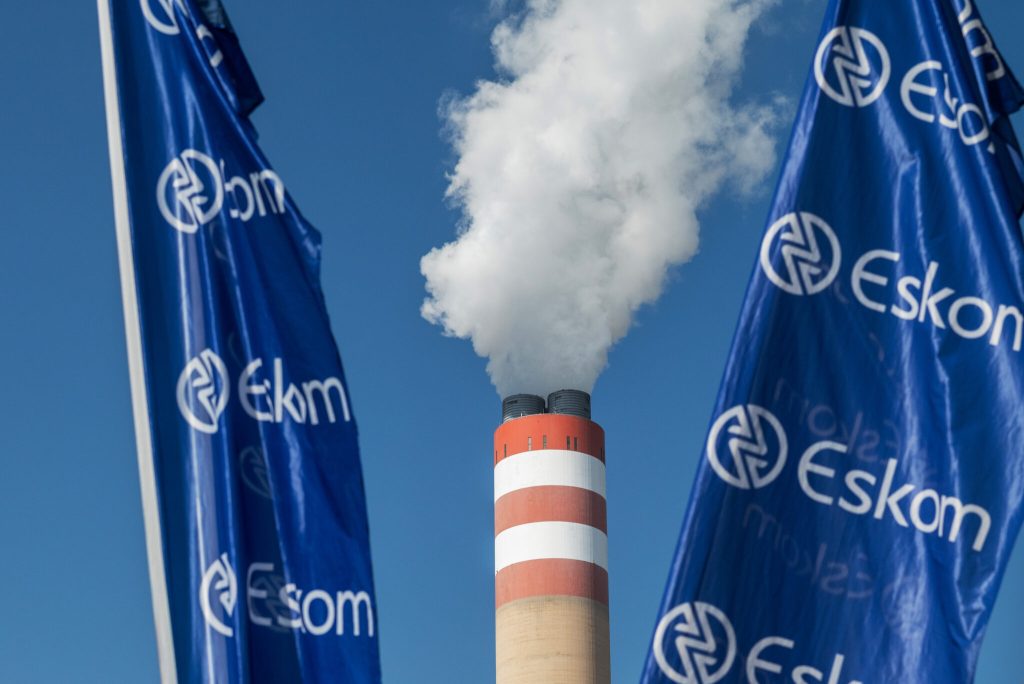
Eskom, South Africa’s primary electricity supplier, has been in the financial spotlight recently, raising questions about whether its fortunes are finally on the upswing after suffering from extensive losses and relying heavily on taxpayer support for years. The utility announced a profit after tax of R30.3 billion for the year ending March 2026, marking its second consecutive year of profitability following a R14 billion profit in 2025. However, this seemingly positive development raises eyebrows as the company grapples with significant underlying issues that could jeopardize its future.
To understand the complexities surrounding Eskom’s financial situation, it’s essential to delve into the factors contributing to its recent profit declaration. While a profit is undoubtedly a positive signal, it does not necessarily indicate that the company has turned a corner. The utility’s financial health remains precarious, with debt levels that continue to overshadow its revenue. As electricity generation becomes increasingly decentralized, with more households and businesses opting for self-generated power, Eskom faces the dual challenge of declining sales and mounting operational costs.
Eskom’s profitability has been bolstered by a combination of strategic adjustments rather than a fundamental improvement in its business model. For instance, a nearly 13% increase in electricity tariffs has provided a much-needed financial cushion. Additionally, the utility’s decision to reduce reliance on diesel to fuel its open-cycle gas turbines has eliminated substantial costs associated with high-load shedding stages. These factors have contributed to the reported profits, yet they paint an incomplete picture of Eskom’s overall financial health.
The utility’s balance sheet reveals some alarming figures. By the end of March, Eskom’s total debt stood at a staggering R356.2 billion, significantly outpacing its revenue of R354.7 billion. This overwhelming debt load means that virtually any available cash flow is immediately redirected towards servicing interest payments and principal repayments, leaving little room for operational flexibility. In fact, of the R124.9 billion in free cash, R38 billion was allocated to a maturing domestic bond, while over R40 billion was set aside for further debt repayments and the transition to cleaner energy sources.
Despite the current profitability, the long-term financial outlook for Eskom remains uncertain. The outgoing Chief Financial Officer, Calib Cassim, has expressed optimism that the utility’s debt could be reduced to a more manageable R300 billion within the next five years. If achieved, this reduction would not only alleviate Eskom’s dependence on government bailouts but also enhance its ability to raise capital through external investors—something the utility has been unable to do for the past three years due to concerns over its creditworthiness.
Another pressing challenge for Eskom is the substantial debt owed by municipalities, which now totals R119.9 billion. This issue has been described by the Eskom board chair, Mteto Nyati, as “the single greatest threat to Eskom’s financial sustainability.” The inability to recover payments from municipalities puts additional strain on the utility’s already fragile financial situation. Cassim bluntly stated, “We cannot be a bank to municipalities,” underscoring the urgent need for Eskom to address this issue head-on.
For traders and investors, the developments surrounding Eskom present a mixed bag of opportunities and risks. On one hand, the recent profitability could attract interest from investors seeking to capitalize on potential turnaround stories. However, the underlying vulnerabilities—significant debt, declining sales, and municipal payment issues—pose substantial risks that could undermine any short-term gains. Potential investors should approach Eskom with caution, weighing the potential for recovery against the reality of its operational challenges.
In conclusion, while Eskom’s recent profit announcement may suggest a positive shift in its financial trajectory, the reality is more nuanced. The utility remains entangled in a web of debt and operational hurdles that could hinder its long-term viability. As the energy landscape evolves and competition increases, Eskom must navigate these challenges adeptly to ensure a sustainable future. Stakeholders must remain vigilant, closely monitoring the utility’s strategies and financial health as it embarks on a path toward recovery. The coming years will be crucial in determining whether Eskom can truly turn its fortunes around or continues to struggle under the weight of its past.