
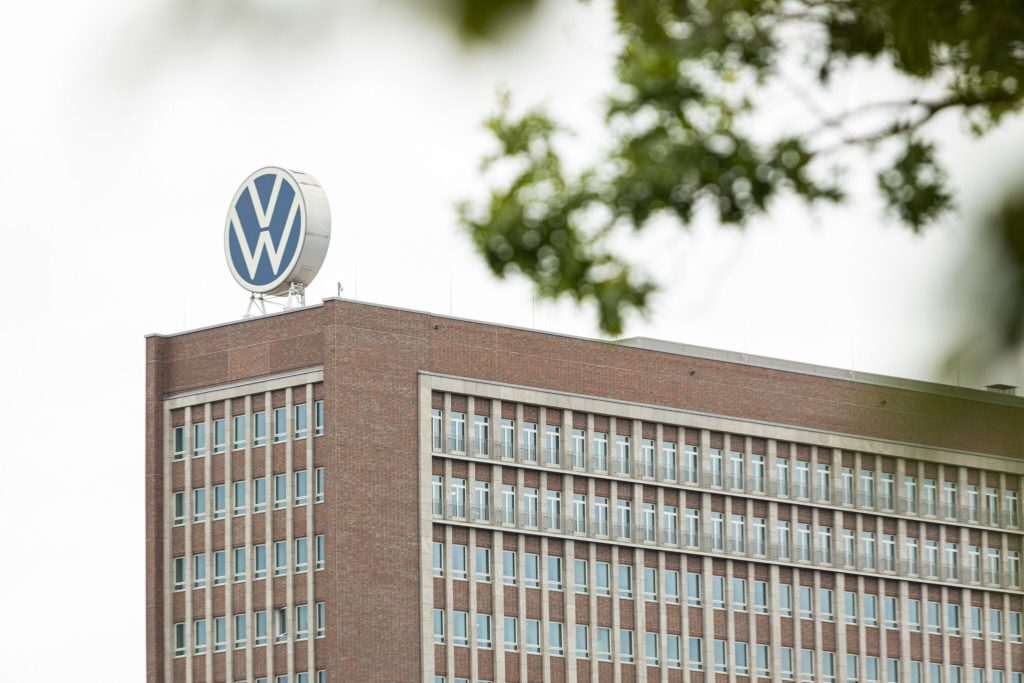
In a significant move that underscores the changing landscape of the automotive industry, Volkswagen AG is embarking on an ambitious restructuring plan that will see the company cut 50,000 jobs and streamline its vehicle offerings. As the largest car manufacturer in Europe grapples with challenges such as declining sales in key markets and growing competition, Chief Executive Officer Oliver Blume has received a strong mandate from the supervisory board to implement these changes. This blog post delves into the details of Volkswagen’s restructuring, its implications for the company and the broader automotive sector, and what investors and traders can glean from this pivotal moment.
The restructuring initiative, approved during a recent supervisory board meeting in Wolfsburg, marks a turning point for Volkswagen. The company plans to reduce its workforce by approximately 8% of its global total, scaling back its model lineup by as much as 50% by the year 2035. This strategy is a response to several pressing challenges, including sluggish sales in China, high operational costs in Germany, and underutilization of manufacturing facilities. By tightening its industrial footprint and focusing on its most profitable vehicle segments, Volkswagen aims to improve efficiency and profitability.
Key components of this plan include a notable reduction in capital expenditures. From 2027 to 2031, Volkswagen intends to allocate around €135 billion (approximately $157 billion) for capital spending and research and development—about 16% less than the previous investment cycle. This strategic shift is particularly crucial as competition intensifies from emerging players, notably Chinese manufacturers like BYD, which are making significant inroads into the European market.
One of the most striking aspects of this restructuring is the immediate market reaction. Following the announcement, Volkswagen shares surged by nearly 10% in early trading in Frankfurt, marking the largest single-day gain since March 2023. This rise comes on the heels of a challenging year for the automaker, whose stock had previously plummeted by over 20%. The market’s positive response indicates a level of investor confidence in Volkswagen’s new direction.
Analysts have described the restructuring plan as both courageous and necessary. Citigroup emphasized the importance of this decisive action, characterizing the agreement as “existential” for the carmaker. By reallocating resources to its high-return brands and models, Volkswagen seeks to maximize profitability while minimizing the need for excess production capacity. This approach highlights a broader trend in the automotive sector, where efficiency and strategic focus are increasingly paramount.
However, the plan is not without its complexities. The Volkswagen works council, representing employees, has expressed concerns over the potential impact of the job cuts. While the 50,000 figure is a target for achieving a 9% operating margin by 2030, the labor group has clarified that this number is not a fixed goal. Importantly, they have secured assurances that compulsory layoffs will not occur until at least the end of 2030, reflecting a delicate balance between corporate restructuring and employee rights.
The comprehensive package, dubbed “Future Plan 2030,” aims to achieve an operating margin of 9% on annual sales of approximately 9 million vehicles. While the plan includes efficiency measures and workforce reductions, it also preserves the current workforce’s core interests, ensuring that no factories will be closed immediately and that contentious decisions regarding site operations will be handled collaboratively.
For traders and investors, Volkswagen’s restructuring presents both challenges and opportunities. The immediate boost in share price suggests optimism in the market regarding the company’s ability to adapt and thrive in a competitive landscape. Investors should keep a close eye on how effectively Volkswagen implements its restructuring measures and whether it can maintain its market position amid increasing competition.
In conclusion, Volkswagen AG’s strategic restructuring marks a critical juncture for the company as it seeks to navigate the complexities of the modern automotive industry. By cutting jobs, streamlining its vehicle lineup, and reallocating investment towards high-return areas, the company is positioning itself for a more sustainable future. For investors and traders, the unfolding developments will be essential to monitor, as they will likely influence Volkswagen’s performance in the coming years. As the automotive landscape continues to evolve, Volkswagen’s decisions today will set the stage for its role in the future of mobility.