
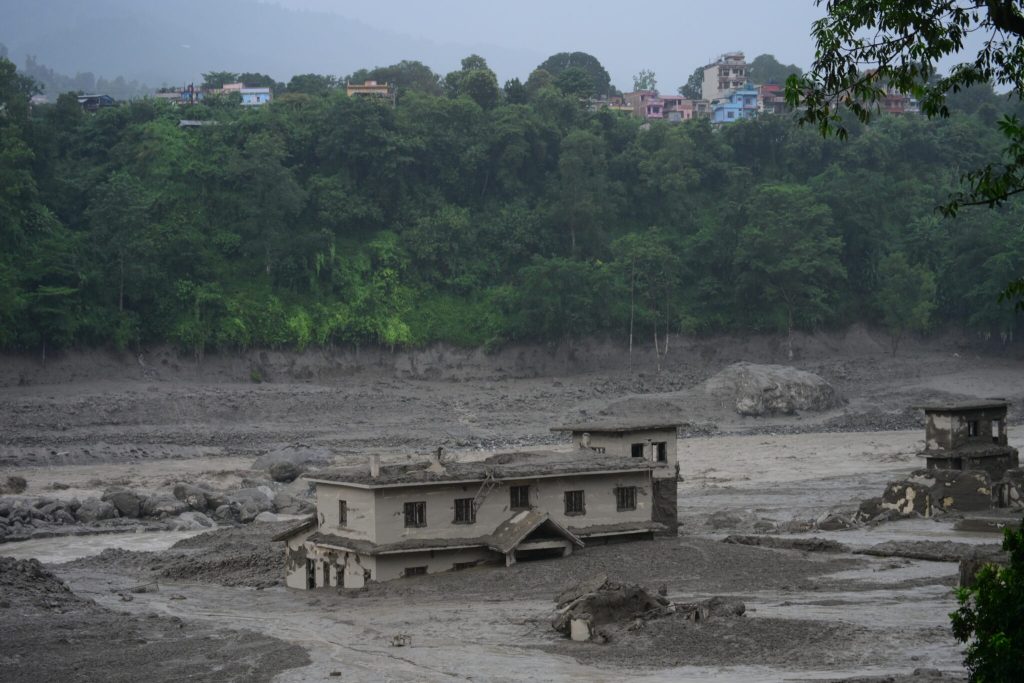
In recent weeks, Nepal has been grappling with the devastating effects of catastrophic flooding that has severely impacted local businesses and the economy at large. Among those affected is Ashok Kumar Chaurasiya, a 62-year-old trader who lost everything when the floodwaters swept through his textile shop in Trishuli Bazaar. His story is emblematic of a broader crisis that is not only a humanitarian disaster but also a significant economic concern for a nation already struggling with financial challenges.
As the floodwaters recede, the implications of this natural disaster become increasingly clear. Hundreds of traders, like Chaurasiya, faced the grim reality of lost inventory and mounting debts, particularly as they had stocked up for the vital festival season that runs from September to November. This period is crucial for businesses, as the Hindu festivals of Dashain and Tihar typically trigger a surge in consumer spending. However, the floods have disrupted this cycle, leaving many traders in dire financial straits.
The economic ramifications of the flooding extend far beyond individual losses. The Nepal Foreign Trade Association has reported that approximately 1,000 importers have been affected, and the situation is dire. The destruction of trade routes complicates not only the immediate recovery efforts but also long-term economic stability. With many businesses struggling to replace their lost goods, the cost of imports will inevitably rise, further squeezing the already strained economy.
One of the most alarming aspects of this disaster is its timing. Nepal’s economy, which relies heavily on consumer spending—accounting for about 82% of its gross domestic product—faces a potential downturn as the nation mourns the loss of more than 1,200 lives. The floods have compounded existing economic challenges, including rising fuel prices and declining tourism, making recovery even more arduous.
Reconstruction efforts are projected to cost at least $5 billion, a staggering figure for a nation where the average output per person is around $1,500, significantly lower than the South Asian average. The government has announced relief measures, such as free medical care and temporary shelters for those displaced, and is preparing a package for affected businesses and individuals. However, the specifics of this financial assistance remain unclear, leaving many traders anxious about their future.
For traders and investors, the current environment presents both challenges and opportunities. Key takeaways from this situation include:
1. **Risk Assessment**: The flooding serves as a reminder of the inherent risks associated with business operations, particularly in vulnerable regions. Investors should evaluate their exposure to natural disasters and consider strategies to mitigate these risks, such as diversifying supply chains and investing in insurance.
2. **Market Dynamics**: With the potential for rising costs due to disrupted trade routes, businesses in Nepal may need to adjust their pricing strategies. Understanding the local market dynamics and consumer behavior will be crucial in navigating the post-flood landscape.
3. **Long-Term Investment**: Despite the immediate challenges, there may be opportunities for long-term investment in the rebuilding process. Sectors such as construction, logistics, and essential services are likely to see increased demand as the country works to recover from the disaster.
4. **Community Support**: Businesses that actively engage with their communities during this crisis may strengthen their brand loyalty. Offering support to affected individuals or collaborating with local organizations can foster goodwill and enhance customer relationships.
5. **Government Policies**: Keeping an eye on government relief packages and policies will be vital for businesses looking to capitalize on available resources. Understanding the specifics of financial aid and how it may impact operations can provide a competitive edge.
In conclusion, the floods in Nepal represent more than just a natural disaster; they are a wake-up call for traders, investors, and policymakers alike. The economic implications of the flooding are profound, and the path to recovery will require resilience, adaptability, and strategic planning. As the nation grapples with loss and rebuilding, there lies an opportunity for traders and investors to reassess their strategies and play a vital role in the recovery of Nepal’s economy. The coming months will be critical as businesses navigate the challenges ahead and work to restore not only their operations but also the confidence of the communities they serve.