
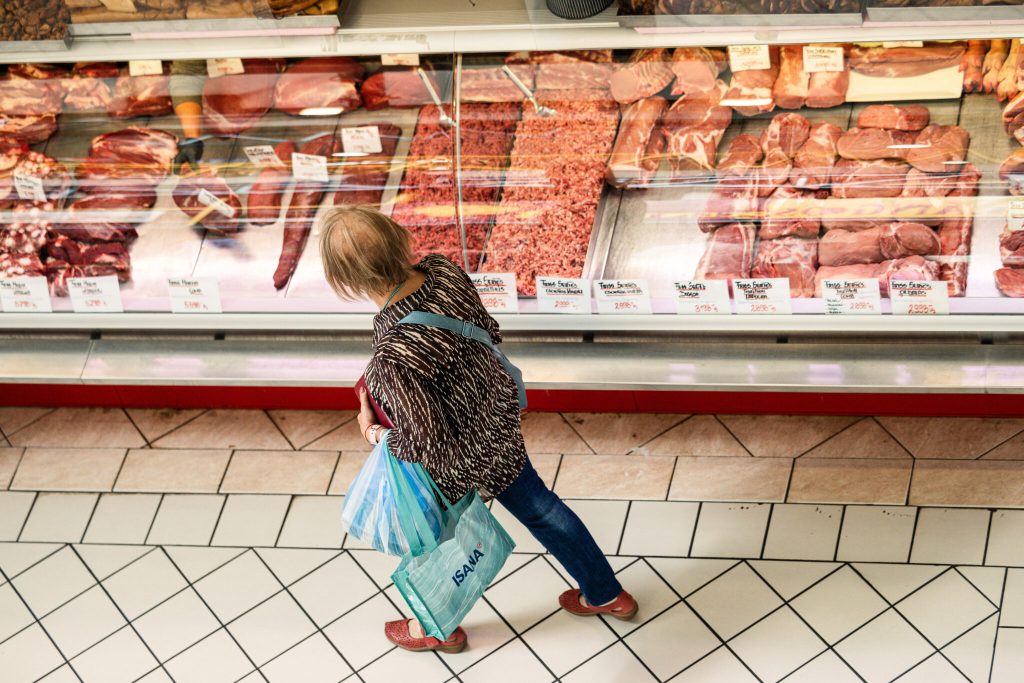
As we step into the latter half of 2023, the global food market is experiencing a significant surge in prices, marking a concerning trend that has implications for consumers, farmers, and investors alike. The United Nations has reported a notable climb in its food commodity price index, reflecting a complex interplay of geopolitical tensions, adverse weather conditions, and supply chain disruptions. Understanding these dynamics is crucial for anyone involved in the agricultural sector or those simply looking to navigate the financial landscape amidst rising costs.
In August, global food prices rose by 1.9% compared to the previous month, reaching their highest levels since late 2022. This increase can be primarily attributed to rising costs in key categories such as grains, sugar, and dairy products. The Food and Agriculture Organisation (FAO) released these figures, shedding light on the underlying factors contributing to this inflationary pressure. Notably, the ongoing conflict in Ukraine has exacerbated the situation, as farmers in this critical breadbasket region face significant challenges in exporting their products. With Russia intensifying military operations, the viability of grain exports from Ukraine is increasingly jeopardized, raising concerns about global supply shortages.
The ramifications of these developments extend beyond Ukraine. A potential lack of peace between the United States and Iran may further complicate the geopolitical landscape, impacting trade flows and agricultural exports. Additionally, Europe is grappling with poor harvests, which could lead to an increased reliance on imports. This situation has the potential to intensify competition for essential supplies, resulting in further upward pressure on prices.
Among the most alarming indicators of this trend is the sharp rise in the prices of staple crops. In August, wheat prices surged by 2.6%, while sugar prices skyrocketed by an astonishing 11.9%. The Bloomberg Agriculture Spot Index, which tracks ten major agricultural products, reported its steepest increase since July 2012, climbing more than 13% in the same month. This suggests that investors and traders should remain vigilant, as fluctuations in agricultural commodities can have far-reaching effects on the overall economy.
The challenges facing the agricultural sector are compounded by rising input costs for farmers. Fertilizers, seeds, and fuel expenses have surged, creating a challenging environment for producers already grappling with supply chain issues. As these costs continue to rise, the pressure on farmers will likely translate into increased prices for consumers, as producers struggle to maintain profitability while managing their expenditures.
Looking ahead, the threat of an exceptionally strong El Niño phenomenon adds another layer of complexity to the situation. Historically, El Niño has been associated with drastic weather patterns, including droughts and floods, which can severely impact agricultural productivity. With the potential for further weather-related disruptions, global food markets remain vulnerable to additional inflationary shocks. Traders and investors should closely monitor weather forecasts and climatic patterns to gauge their potential impact on agricultural outputs.
For traders and investors, the current landscape presents both risks and opportunities. Short-term volatility in agricultural commodities may create trading opportunities, especially for those who can accurately predict price movements based on geopolitical and weather-related developments. Diversifying portfolios to include agricultural investments could be a strategic move as food prices continue to rise, offering a hedge against inflation.
In conclusion, the recent surge in global food prices is a multifaceted issue that reflects broader geopolitical tensions, adverse weather conditions, and rising production costs. As consumers brace for higher prices at the grocery store, farmers face the dual challenge of managing costs while striving to meet demand. For investors and traders, understanding the complexities of the agricultural market is essential for navigating this evolving landscape. With the possibility of continued price increases driven by supply disruptions, it is crucial to remain informed and prepared for the challenges ahead in the food commodity market.