
In the heart of France, a culinary crisis is quietly unfolding, one that threatens the very fabric of the nation’s gastronomic identity. Renowned for its rich history in food production, France is now grappling with a multitude of challenges that are reshaping its agricultural landscape. From dairy to grains and wines, the once-thriving sectors are experiencing unprecedented pressures that could redefine how the French eat, drink, and live. This blog post will explore the complexities of this crisis, focusing on its implications for both producers and consumers, as well as what it means for the future of French cuisine.
The essence of French culture is deeply intertwined with its food and drink. The country prides itself on its artisanal cheeses, fine wines, and freshly baked bread. However, a convergence of climatic changes, economic pressures, and shifting consumer preferences is putting this proud heritage at risk. Farmers and producers across the nation are facing dwindling profits, with many unable to sustain their businesses amid rising costs and fierce competition from abroad. The agricultural sector, once a cornerstone of the French economy, is now in a precarious situation that raises urgent questions about its sustainability.
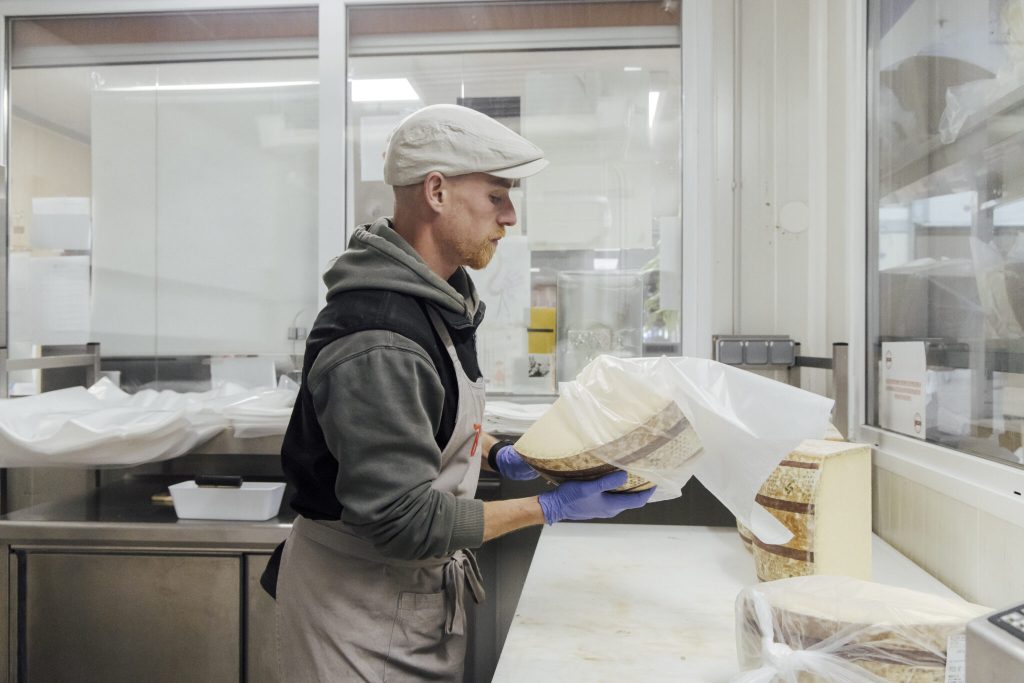
One of the most visible indicators of this crisis is the plight of cheese producers and wheat farmers. At the Marché International de Rungis, known as “The belly of Paris,” local cheese suppliers are struggling to compete with cheaper imports from Italy. Meanwhile, wheat farmers in regions like Beauce are enduring multiple years of losses due to extreme weather conditions, which have wreaked havoc on crop yields. The situation is dire, as evidenced by the drastic decline in agrifood surpluses—the lowest level seen in nearly five decades. The decline of these iconic products not only threatens jobs but could also diminish France’s status as a leading culinary nation.
Key points emerge when examining the challenges facing French agriculture. First, there is a notable shift in consumer preferences. The French are cooking less at home, opting instead for convenience and ready-made meals. This trend is further complicated by a growing inclination towards international cuisines, which has led to a decline in the traditional French food market. Second, competition from cheaper imports is intensifying. For instance, nearly half of the chicken consumed in France is sourced from abroad, creating a significant challenge for local farmers.
Additionally, the agricultural sector is facing broader economic pressures, including trade disputes and a series of animal diseases that have disrupted production cycles. As France’s agricultural output struggles to keep pace with these challenges, the government has been compelled to intervene. In response to this crisis, President Emmanuel Macron’s administration has initiated an “agricultural war,” implementing emergency measures aimed at prioritizing French products and easing regulations for farmers. This includes a promised support package worth hundreds of millions of euros to assist those affected by recent droughts and heatwaves.
For traders and investors, the current situation presents a dual-edged sword. On one hand, there is potential for growth in sectors that focus on sustainability and local sourcing. Consumers are increasingly interested in the origins of their food, which could pave the way for markets that emphasize organic and locally-produced goods. On the other hand, the uncertainties facing traditional agricultural practices could pose risks for investments in these areas. Stakeholders must remain vigilant, considering how shifts in consumer behavior and government policy will shape the agricultural landscape in the years to come.
In conclusion, the culinary crisis facing France is a multifaceted issue that demands attention from both consumers and policymakers. As traditional food producers struggle to adapt to a rapidly changing environment, the implications for the French economy and cultural heritage are profound. The government’s recent initiatives to support local agriculture may provide a lifeline, but the long-term sustainability of these efforts will depend on a collective commitment to preserving France’s culinary legacy. As we navigate these challenges, it is essential for all stakeholders—farmers, consumers, and investors alike—to engage in conversations that prioritize both the heritage and future of French cuisine. The very essence of what it means to be French may very well hinge on our ability to adapt and innovate in the face of adversity.