
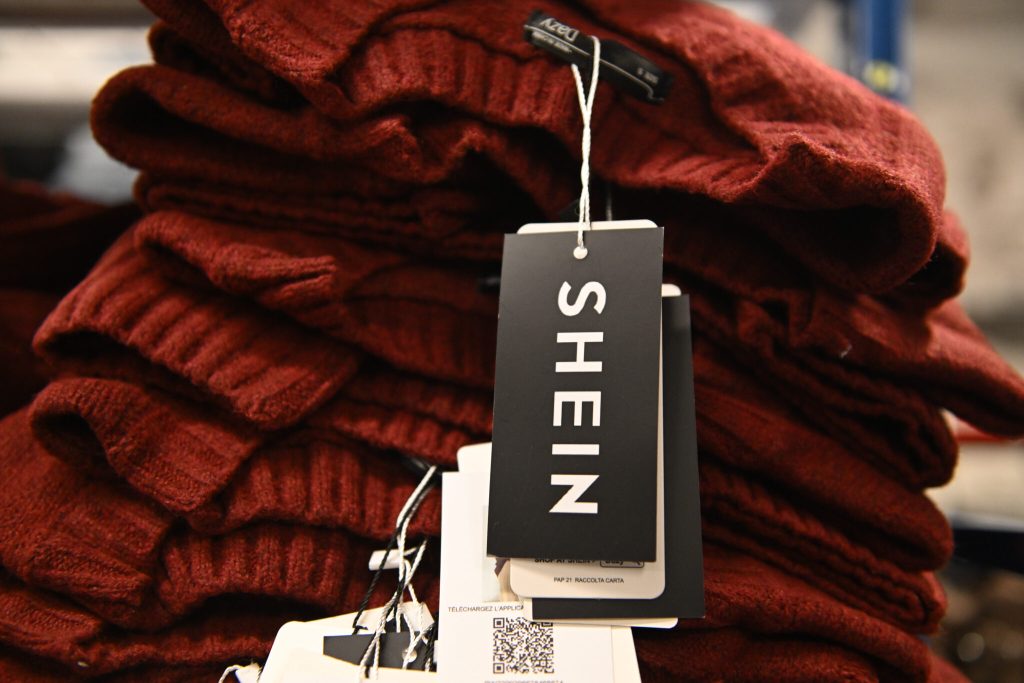
The highly anticipated initial public offering (IPO) of Shein, the fast-fashion giant, has hit the market amid a complex web of challenges that could impact its future growth. As the company made its debut on the Hong Kong Stock Exchange, the reception was far from enthusiastic. Despite raising $1.7 billion, Shein’s shares fell by 10% shortly after trading began, reflecting a broader skepticism among investors regarding the company’s growth trajectory. This blog post explores the implications of Shein’s market entry, the challenges it faces, and what investors should consider moving forward.
In recent years, Shein has emerged as a formidable player in the fast-fashion sector, riding a wave of explosive growth driven by changing consumer habits during the COVID-19 pandemic. However, as the world shifts back to a semblance of normalcy, the company finds itself grappling with multiple obstacles. The end of the U.S. de minimis exemption, which allowed duty-free imports of low-value goods, has introduced new trade barriers. Additionally, rising competition in the fast-fashion space, coupled with changing consumer sentiment, has further complicated Shein’s outlook.
Investors’ apprehensions were evident in the early trading sessions, where bids for shares were hit three times more often than offers were lifted. Such a trend underscores a cautious approach toward internet retailers, particularly those like Shein that are not aligned with the current investor focus on technology, specifically artificial intelligence (AI) and robotics. As the market appears to favor these tech-driven sectors, traditional retail companies like Shein may struggle to capture investor interest.
One of the key takeaways from Shein’s IPO is the significant disparity between its current market valuation and its previous peak. The company entered the public markets with a valuation of approximately $26 billion, a stark contrast to its previous valuation of around $100 billion. This decline raises questions about whether the company’s growth prospects justify its current pricing and market position. Moreover, it reflects a broader trend where investors are increasingly selective, favoring companies that demonstrate innovation and align with future technological advancements.
The timing of Shein’s IPO is particularly concerning, as it coincides with a period of heightened regulatory scrutiny and economic uncertainty. The fast-fashion industry has seen a paradigm shift, not only due to external pressures such as tariffs but also because of changing consumer preferences for sustainable and ethical fashion choices. This evolving landscape presents a significant challenge for Shein, which has built its business model around rapid production and low prices.
From an investor’s perspective, understanding the dynamics at play in the fast-fashion industry is crucial. Shein’s IPO illustrates the complexities of entering a market that has become increasingly skeptical of internet-driven retail businesses. The combination of rising competition and shifting consumer behavior is likely to weigh heavily on Shein’s performance in the near term. Investors should carefully evaluate the company’s ability to adapt to these challenges and innovate in a landscape that is continually evolving.
In conclusion, Shein’s market debut serves as a reminder of the unpredictable nature of the retail landscape, particularly in the fast-fashion sector. While the company has achieved significant growth in the past, the road ahead appears fraught with challenges. As Shein navigates tariffs, regulatory pressures, and intense competition, investors will need to remain vigilant and discerning about the company’s long-term growth potential. The IPO’s lukewarm reception is not just a reflection of Shein’s execution but rather a broader commentary on the current state of the retail market. For those looking to invest, a careful analysis of Shein’s adaptability and innovation will be essential in assessing its place in a rapidly transforming industry.