
The cocoa industry, a cornerstone of economies in West Africa, is currently grappling with a series of alarming challenges that could significantly impact production and prices. As the new cocoa season begins, farmers like Simon Essah in Ghana are facing the repercussions of climate-related adversities, disease outbreaks, and economic constraints. This blog post delves into the current state of cocoa farming in West Africa, the implications for global markets, and what investors need to know moving forward.
The cocoa sector is vital not only for the farmers who depend on it for their livelihoods but also for the global chocolate industry, which has been experiencing fluctuating demand and prices. Cocoa beans, the primary ingredient in chocolate, are predominantly produced in West African countries, particularly Ghana and Ivory Coast, which together account for over half of the world’s cocoa supply. As the new season unfolds, the challenges are manifesting in various forms, threatening both yield and quality.
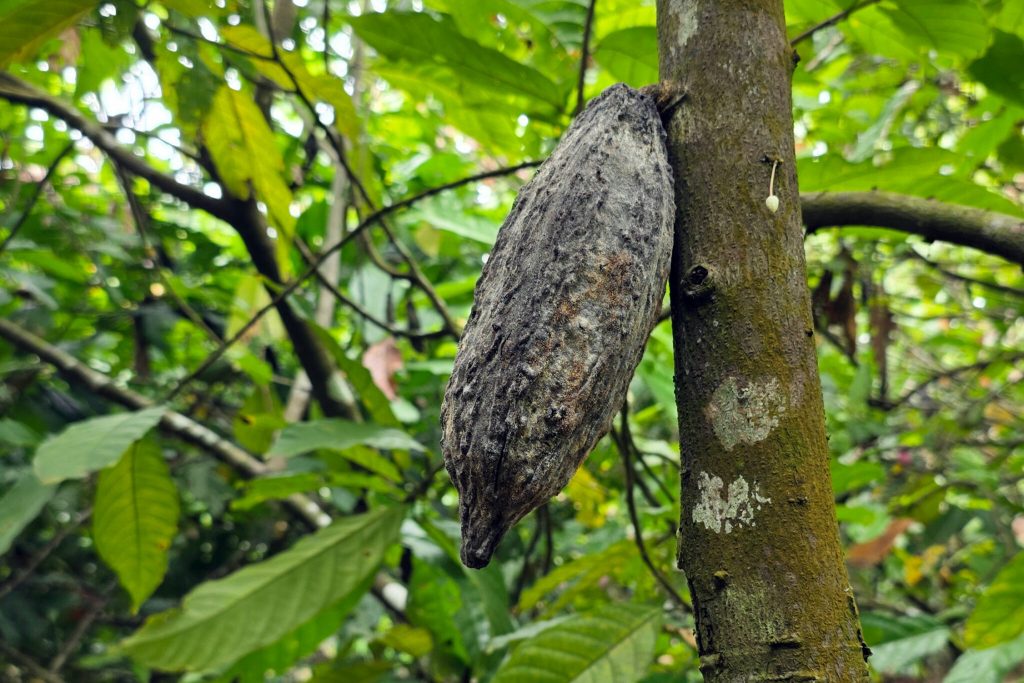
The recent weather patterns in West Africa have created a perfect storm for cocoa farmers. Torrential rains have disrupted the growth of cocoa pods, leading to lower production expectations. In Ghana, Essah noted that his pod count is significantly down compared to the previous year, a sentiment echoed by many farmers across the region. Additionally, the emergence of black pod disease—an affliction that causes cocoa fruits to rot—has further complicated the situation. Many farmers lack the financial resources to purchase the necessary pesticides to combat this disease, leaving them vulnerable to declining yields.
Another layer of complexity is added by the impending El Niño phenomenon, known for its capacity to alter weather patterns drastically. The El Niño effect can intensify the dry Harmattan winds that sweep through West Africa around November, potentially exacerbating the already challenging growing conditions. As farmers deal with the dual uncertainties of disease and unpredictable weather, they are left to question their harvests and income prospects.
The ramifications of these production challenges are already being felt in global cocoa futures markets. After experiencing record highs at the end of last year due to previous supply deficits, cocoa prices have been volatile. The recent surge in prices—over 70% since early June—reflects the tightening supply outlook for the new season. Market analysts predict that production in Ivory Coast could plummet by nearly 20%, while Ghana faces a 13% drop. These reductions are prompting a reevaluation of global cocoa supply dynamics, with expectations of a much smaller surplus than previously anticipated.
For traders and investors, the current state of the cocoa market presents both opportunities and risks. While rising prices may suggest a bullish outlook, the unpredictability surrounding weather and disease could lead to sudden market shifts. Investors should remain vigilant, keeping an eye on production forecasts and weather patterns that could impact supply. Moreover, the responses from chocolate manufacturers to fluctuating cocoa prices—such as reformulating recipes or sourcing alternative ingredients—could further influence market dynamics.
Key takeaways for stakeholders in the cocoa industry include:
1. **Production Challenges**: Farmers in West Africa are facing significant hurdles due to adverse weather conditions and disease outbreaks, leading to expected drops in cocoa yield.
2. **Market Volatility**: Cocoa prices have shown considerable fluctuations in response to supply concerns, with the potential for further increases if production estimates continue to decline.
3. **Investor Caution**: Stakeholders should approach the cocoa market with caution, staying informed on weather developments and production forecasts that could impact future pricing.
In conclusion, the cocoa landscape in West Africa is at a critical juncture, with farmers like Simon Essah embodying the challenges faced by many in the industry. As uncertainties loom over the new cocoa season, both producers and investors must navigate the complexities of climate impacts, market demands, and economic realities. The situation calls for a proactive approach, whether through strategic planning for farmers or informed investment decisions for market participants. As we move forward, the resilience of West Africa’s cocoa producers will be essential in shaping the future of the global cocoa market.