
As dawn breaks over the highveld, the vibrant calls of the purple-crested turaco herald the arrival of spring in Zimbabwe. This enchanting bird, with its striking red wings, serves as a reminder of the beauty and resilience found in nature, even as the nation grapples with profound economic and political challenges. As the Msasa trees shed their pods, the country stands at a crossroads, where the promise of recovery is met with skepticism and the realities of everyday life continue to haunt its citizens.
Zimbabwe’s recent announcement by the Minister of Finance, Mthuli Ncube, that the World Bank has removed the country from its list of Fragile and Conflict-Affected Economies has sparked intense debate. Ncube heralded this as a significant milestone, attributing it to an impressive GDP growth of 8.3% in 2025 and a decrease in inflation to 2.9%. However, this optimistic narrative is met with a chorus of doubt from former officials and citizens who question the accuracy of such claims amidst widespread poverty and unemployment.
To understand the intricacies of Zimbabwe’s economic situation, it is essential to delve deeper into the statistics and the contrasting experiences of its people. The World Bank’s decision to delist Zimbabwe may reflect a technical assessment of economic stability, but it does not capture the lived realities of millions who face dire circumstances daily. The stark contrast between official data and the perceptions of ordinary citizens poses significant questions about the authenticity of the economic recovery narrative.
One major aspect that cannot be overlooked is the ongoing political turmoil that has plagued Zimbabwe for decades. The legacy of political polarization and corruption continues to cast a long shadow over the nation’s economic prospects. Critics like former finance minister Tendai Biti emphasize that while the government may tout growth figures, these numbers do not correlate with the deteriorating quality of public services, high maternal and infant mortality rates, and an overall decline in the citizens’ standard of living. These indicators suggest that the economic turnaround is not as robust as the government would like the world to believe.
Investor insights into Zimbabwe’s economy reveal a cautious approach. While some may view the removal from the World Bank’s list as an opportunity for investment, many remain wary due to the underlying issues that persist. Investors are acutely aware of the importance of political stability and transparency in fostering a conducive environment for growth. Without addressing the root causes of instability, including governance challenges and social inequality, any economic gains may be short-lived and ultimately unsustainable.
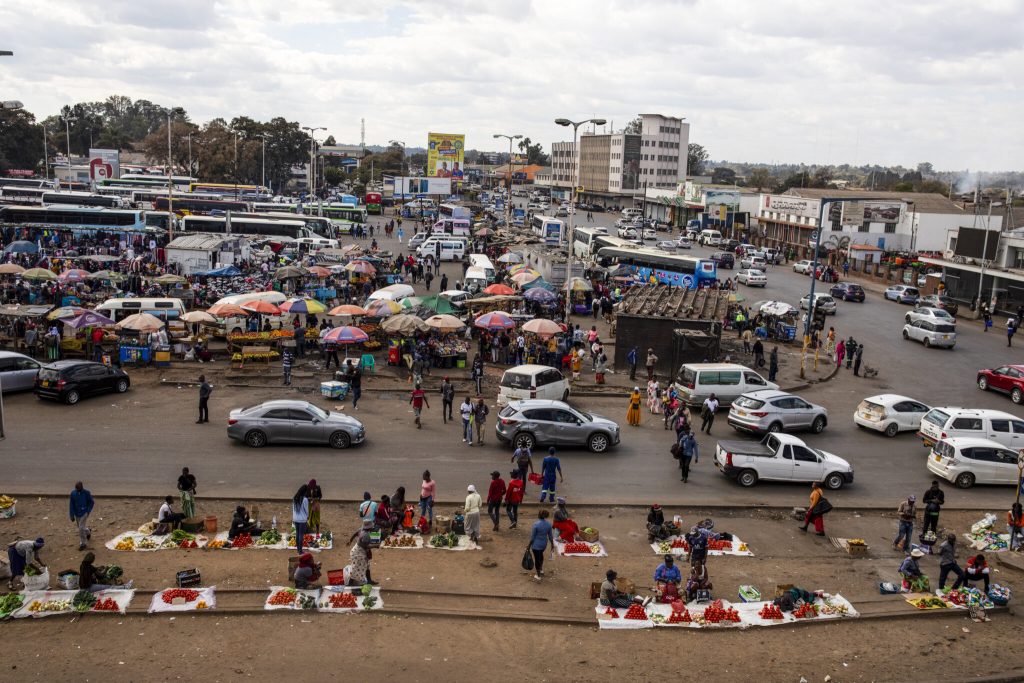
Furthermore, the narrative of economic recovery must also contend with the realities of a population that feels left behind. Many Zimbabweans express frustration over what they perceive as a disconnect between government rhetoric and their everyday struggles. This sentiment resonates strongly on social media platforms, where influential figures like lawyer and politician Fadzayi Mahere articulate the disillusionment felt by many. The “creative mathematics” used to present a rosy picture of the economy fails to resonate with those who are grappling with the day-to-day challenges of survival.
In conclusion, while the announcement of Zimbabwe’s delisting from the World Bank’s list of Fragile and Conflict-Affected Economies may signal a potential turning point, it is essential to approach this news with a critical lens. The juxtaposition of official growth statistics against the backdrop of poverty, political strife, and deteriorating public services paints a complex picture of a nation in transition. For investors and traders, understanding the nuances of Zimbabwe’s economic landscape will be crucial in navigating potential opportunities and risks. As spring unfolds and the vibrant colors of the Msasa trees emerge, the hope for genuine economic recovery remains intertwined with the need for substantive reforms that address the realities of all Zimbabweans. Only then can the beauty of the nation’s potential be fully realized.