
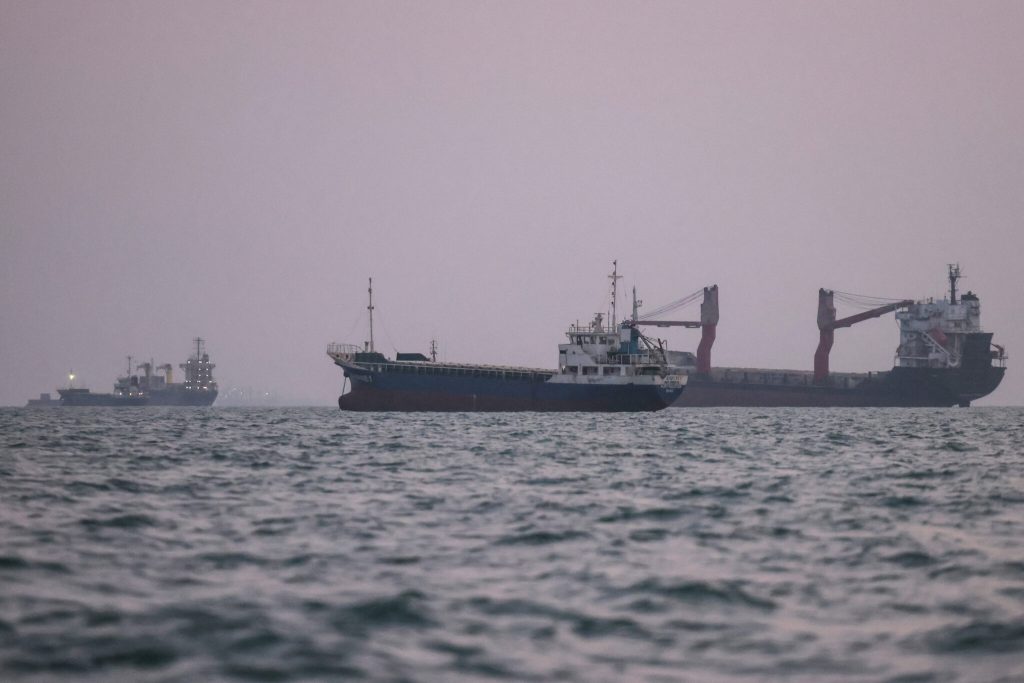
The ongoing geopolitical tensions between Iran and the United States have recently intensified, particularly in the vital Strait of Hormuz, a key artery for global oil transport. As both nations engage in what can only be described as a tit-for-tat military strategy involving tanker strikes, the ramifications are being felt widely across the oil markets and the broader economy. Understanding the complexities of this conflict is crucial for investors and traders who are trying to navigate the volatility it brings.
The Strait of Hormuz is not just a narrow passage; it is a critical juncture through which approximately 20% of the world’s oil passes. In the latest turn of events, Iran has claimed responsibility for attacks on three vessels linked to the United States, alleging that these ships were navigating unauthorized routes through the strait. This attack was reportedly a response to prior U.S. military actions that targeted Iranian tankers, marking a significant escalation in hostilities between the two nations.
On the other side, the U.S. military has stated that it retaliated by striking three Iranian crude tankers, with one reportedly being destroyed. This cycle of retaliation illustrates a deepening conflict, with both countries seemingly prepared for a protracted struggle. Energy prices have reacted sharply to these developments, with Brent crude oil rising by approximately 0.4% and reaching levels not seen since late July.
These military actions stem from a broader strategy initiated by the U.S. government, which aims to deter Iran from aggressive actions against commercial shipping. The U.S. has ramped up its naval presence in the region, establishing a blockade designed to disrupt Iranian oil exports while safeguarding the passage of other commercial vessels. Energy Secretary Chris Wright emphasized that the responsibility to maintain stability in the region should not fall solely on the United States, yet he acknowledged that until Iran alters its current trajectory, U.S. actions will continue.
Iran, for its part, has responded with a series of stern warnings, indicating that it perceives the rules of engagement as having shifted. Officials have signaled that the era of “proportionate responses” has come to an end, and any further aggression against Iranian interests will be met with swifter and more severe consequences.
As tensions rise, the implications for oil prices and global markets become increasingly complex. Historically, periods of heightened conflict in the Middle East have led to spikes in oil prices due to concerns over supply disruptions. Investors should remain vigilant and monitor developments closely, as the situation can evolve rapidly. Furthermore, with Iran’s announcement of a potential new restricted zone extending into parts of the Persian Gulf, the stakes for international shipping have become even higher. Any restrictions on shipping routes could lead to further price volatility and uncertainty in the global oil market.
Key Points to Consider:
1. The Strait of Hormuz is a critical chokepoint for global oil shipments, and escalating tensions can lead to significant price fluctuations.
2. Both Iran and the U.S. appear committed to a long-term conflict, with each side enhancing its military presence and capabilities in the region.
3. Investors should be cautious, as geopolitical risks can lead to sudden shifts in market sentiment, impacting oil prices and broader financial markets.
4. The potential for supply disruptions is heightened, which could have downstream effects on inflation and global economic stability.
For traders and investors navigating these turbulent waters, it is essential to employ a strategy that accounts for geopolitical risk. Diversifying portfolios, staying informed about the latest developments, and being prepared for volatility can mitigate potential losses. Additionally, considering alternative investment avenues—such as energy stocks or commodities that may benefit from price surges—could provide opportunities in this uncertain landscape.
In conclusion, the escalating tensions between Iran and the U.S. in the Strait of Hormuz represent a significant risk factor for global oil markets. As both nations engage in military actions that disrupt shipping routes, the implications for oil prices and the broader economy are profound. Investors and traders must remain agile and informed, adapting their strategies to navigate the complexities of this ongoing geopolitical conflict. The situation serves as a stark reminder of how interconnected global markets are with geopolitical dynamics, and how swiftly they can shift in response to unfolding events.