
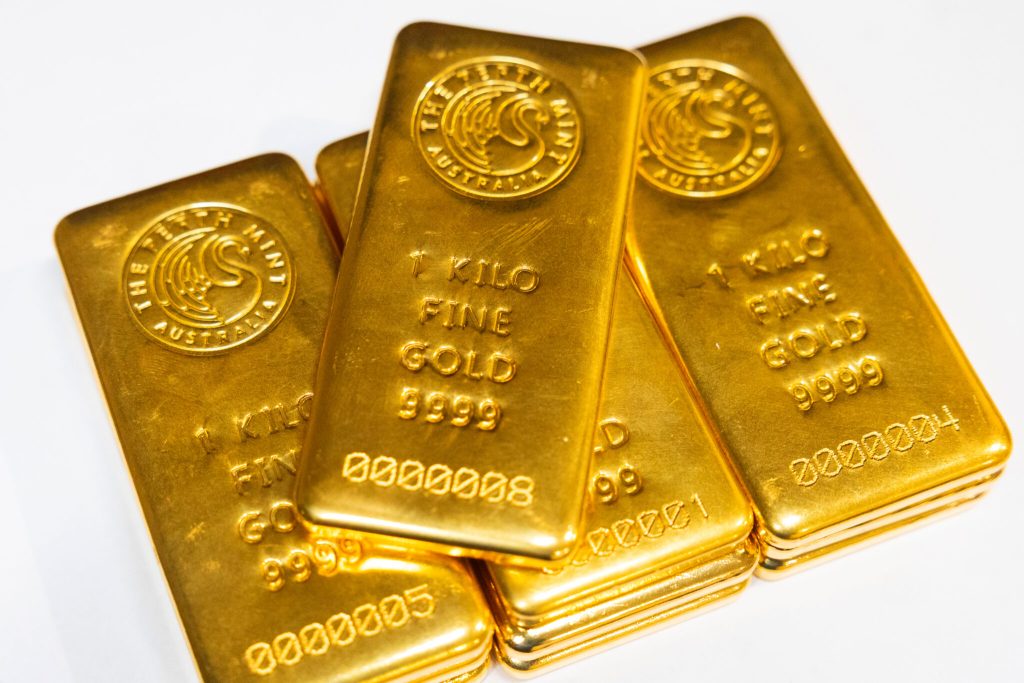
The world of finance is often influenced by a multitude of factors, and gold—a long-standing safe haven for investors—has found itself in a turbulent environment lately. As various economic indicators and geopolitical events unfold, the precious metal has experienced a notable decline in value. In this blog post, we will delve into the recent fluctuations in gold prices, the underlying factors contributing to this trend, and what it means for traders and investors alike.
In recent days, gold prices have taken a hit, primarily due to stronger-than-anticipated job growth in the United States and escalated tensions in the Middle East. These developments have raised the likelihood of a potential interest-rate hike by the Federal Reserve as early as the middle of September. Reports indicated that gold fell nearly 0.9%, dipping below the $4,400 per ounce mark before recovering slightly. This downward trend follows a 1% decrease from the previous day, spurred by data indicating a surge in nonfarm payrolls along with a stable unemployment rate. Such indicators bolster the argument for an imminent increase in interest rates, which has left the market on edge.
The impact of economic indicators on gold prices is significant. Typically, when interest rates rise, the opportunity cost of holding non-yielding assets like gold increases, leading to a decline in demand. In the current scenario, traders have adjusted their expectations, now pricing in approximately a 60% chance of a rate hike this month. Additionally, a stronger dollar has made gold, priced in US currency, more expensive for international buyers, further compounding the challenges facing the metal.
Geopolitical tensions have also added a layer of complexity to the gold market. Recently, Iranian forces have threatened to target oil tankers and vessels linked to the United States in the strategically critical Strait of Hormuz. Such provocations can lead to concerns about energy supply disruptions and, consequently, inflationary pressures. The response in the oil market has been swift, with prices for benchmark crude nearing $97 a barrel. As Hebe Chen, a senior analyst at Vantage Markets, noted, gold is being drawn into a broader macroeconomic storm characterized by rising oil prices, increasing Treasury yields, and a stronger case for interest rate hikes following robust employment data.
Despite the current headwinds, it is essential to consider the longer-term outlook for gold. Since bouncing back from a floor near $4,000 an ounce in July, the metal has settled into a relatively narrow trading range, oscillating around $4,400. Traders have been continually reassessing the Federal Reserve’s monetary policy, which adds to the uncertainty surrounding gold’s future trajectory. The upcoming consumer price index (CPI) data will be crucial in shaping these expectations. As Chen pointed out, a firm CPI reading could intensify the narrative for tighter monetary policy, potentially breaking the $4,400 support level and pushing prices further down. Conversely, softer inflation data might offer temporary relief, but it may not significantly alter the prevailing trends.
Investors have been adjusting their strategies in light of these market dynamics. Many are banking on gold’s potential to rise in value as it reestablishes itself as a hedge against inflation and economic uncertainty. The resurgence in central bank buying and the so-called “debasement trade” echo the massive rally that propelled gold to a record high of nearly $5,600 per ounce in January. Major investment firms have begun to rebuild their gold holdings, signaling a renewed trust in the metal’s long-term value.
Daan Struyven, co-head of global commodities research at Goldman Sachs, noted that despite current challenges, the strength of gold prices should not be underestimated. He anticipates a year-end price of $4,900 per ounce, emphasizing gold’s role as an important diversification tool and a hedge against economic uncertainty. In an interview with Bloomberg, Struyven underscored that as long as central banks continue to purchase gold, it will remain a valuable asset in investors’ portfolios.
In conclusion, gold is currently navigating choppy waters due to a mix of robust economic indicators and geopolitical tensions. While short-term pressures may weigh on prices, the metal’s historical role as a safe haven and a hedge against inflation cannot be overlooked. Investors and traders should remain vigilant, continuously reassessing market signals and adjusting their strategies accordingly. As we approach pivotal economic data releases and monitor geopolitical developments, the outlook for gold will continue to evolve, making it an asset of keen interest for those in the financial markets.