
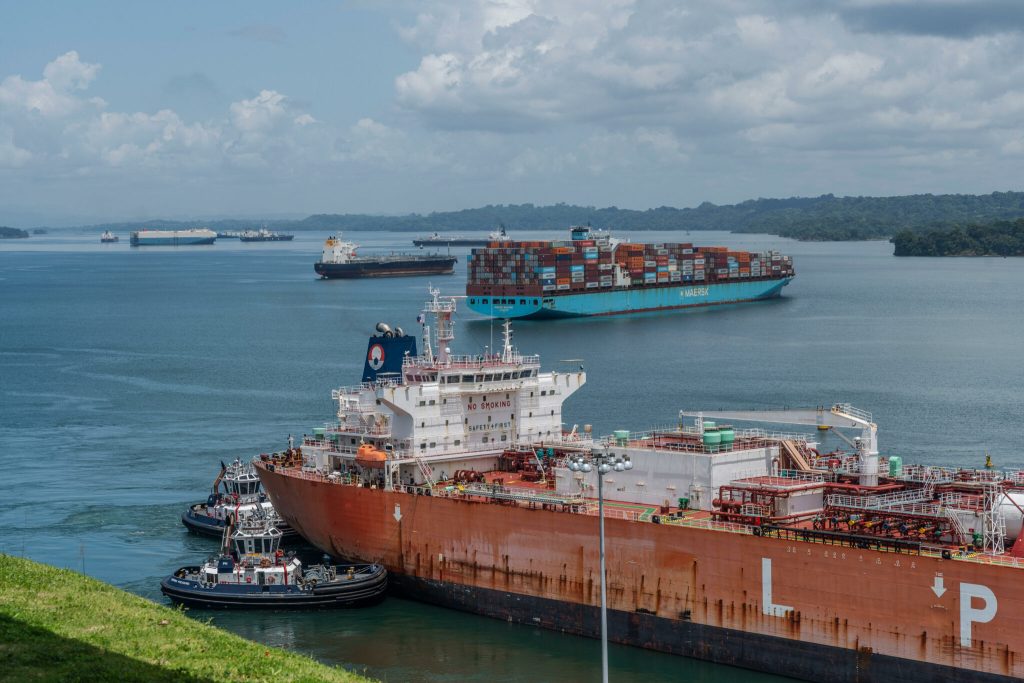
The recent reopening of the Bab-el-Mandeb Strait has stirred conversations in the logistics and trade sectors, particularly regarding its implications for global shipping routes and regional economies. As businesses navigate the complexities of international trade, it is crucial to understand how these changes can affect shipping costs, trade volumes, and economic stability, especially for countries like South Africa that are intricately tied to global supply chains.
The Bab-el-Mandeb Strait serves as a critical juncture between the Arabian Sea and the Red Sea, facilitating maritime traffic between Europe and Asia. Its strategic importance cannot be overstated; it is one of the world’s busiest shipping lanes, crucial for the transport of oil and other commodities. However, recent security concerns in the region have led many businesses to adopt a risk-averse approach, causing shifts in shipping patterns and trade dynamics.
Vernon Sinden, head of logistics at Investec Business and Commercial Banking, recently shed light on the current state of affairs in this vital trade corridor. While the reopening of the Bab-el-Mandeb Strait is a positive development, it is essential to exercise caution in assessing its immediate benefits. Notably, this reopening is not a full-scale return to normalcy; only select shipping lines, such as CMA CGM, Maersk, and MSC, are beginning to resume operations in the area. As a result, most shipping companies are still opting for alternate routes, such as the longer journey around the Cape of Good Hope.
The implications of this cautious reopening are significant. For businesses reliant on efficient shipping routes, the current situation presents both challenges and opportunities. The decision to continue using the Cape of Good Hope route reflects ongoing concerns about safety and reliability in the Bab-el-Mandeb Strait, making it less likely that companies will see immediate cost reductions from the reopening.
One key aspect of the current trade landscape is the disparity in shipping rates compared to previous years. For instance, a 40-foot container shipped from Shanghai to Durban cost an average of $4,583 last year. In contrast, this year’s average sits just below $4,000—a notable decrease that reflects changing market dynamics. However, Sinden cautions that this reduction may not solely be attributed to the reopening of the Strait but rather to seasonal fluctuations in supply and demand, particularly as the peak shipping season approaches.
For South Africa, the reopening of the Bab-el-Mandeb Strait could have varied impacts. The nation’s economy is significantly influenced by commodity exports, including oil and gas, making the trends in global shipping routes particularly relevant. In the short term, South African businesses may not see dramatic changes in shipping costs due to the ongoing preference for alternative routes. Still, the gradual normalization of trade through the Bab-el-Mandeb Strait could signal a positive shift for the economy in the long run.
Key takeaways from this situation include the importance of adaptability in shipping practices. Businesses must remain attuned to the evolving landscape of international trade, factoring in both security risks and cost considerations. Additionally, understanding the nuances of shipping rates and market demand can help businesses make informed decisions about their logistics strategies.
For traders and investors, this situation underscores the need for vigilance and proactive planning. The logistics sector is inherently dynamic, and the interplay between geopolitical events and market forces can have far-reaching consequences. Stakeholders should consider diversifying their shipping strategies and exploring new routes to mitigate risks associated with fluctuating trade conditions.
In conclusion, while the reopening of the Bab-el-Mandeb Strait offers a glimmer of hope for increased trade efficiency, the reality is that businesses must remain cautious and adaptable in the face of ongoing risks. The current state of global shipping highlights the complexities of international trade and the importance of strategic planning in navigating these challenges. As the situation evolves, businesses that stay informed and flexible will be better positioned to thrive in an increasingly interconnected world.