
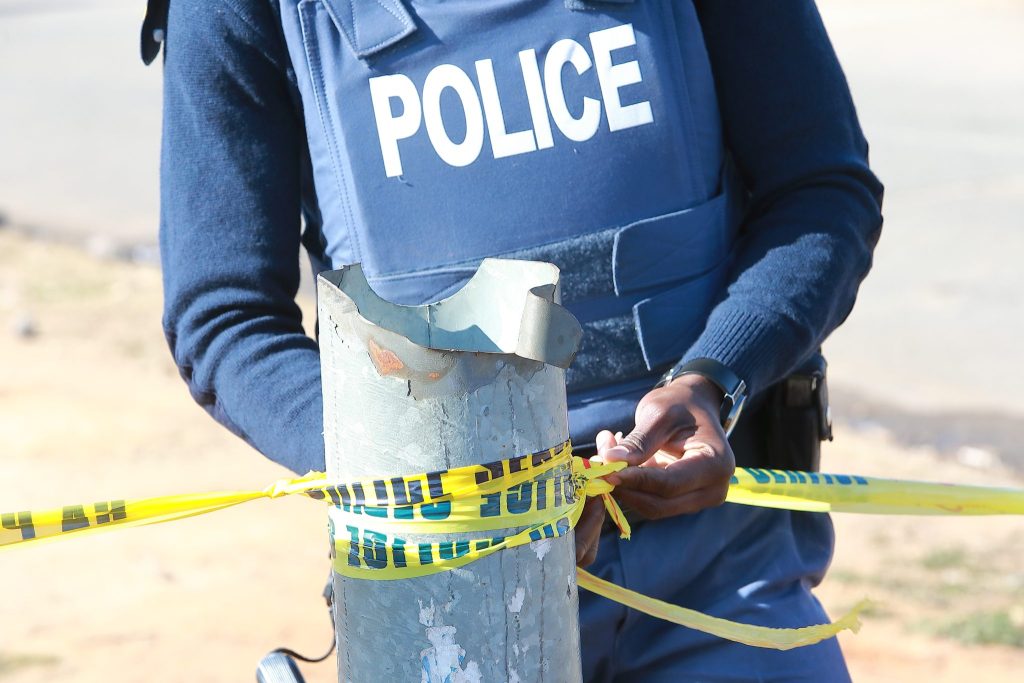
The fight against crime is a significant concern in many nations, but in South Africa, the situation is particularly dire. With a shocking crime detection rate hovering just above 12%, the challenges facing law enforcement are alarming. Willem Els, a senior training coordinator at the Institute for Security Studies, sheds light on the underlying issues that contribute to this crisis. As we delve into the complexities of crime detection and the factors influencing these rates, it becomes clear that the path to justice is fraught with obstacles.
Understanding the Crime Detection Rate
To grasp the severity of the situation, it’s essential to understand what the crime detection rate signifies. This rate measures the proportion of reported crimes that result in an arrest, follow-up investigation, and subsequent conviction. In South Africa, the current detection rate stands at a mere 12%, indicating that the majority of crimes go unresolved. This figure is a cause for concern, not just for potential victims but also for the integrity of the justice system itself.
Dissecting Crime Categories
The dismal statistics do not stop at the overall detection rate; they vary significantly across different types of crimes. For instance, the detection rate for robberies is alarmingly low at around 9%, while murder cases fare slightly better at approximately 10%. Such statistics highlight a pervasive issue: the challenges of resolving crimes, regardless of their nature. In many instances, the complexity of the crime, the availability of witnesses, and the overall investigative process play a crucial role in determining whether justice will be served.
The Strain on Law Enforcement
A critical aspect of the low detection rates is the overwhelming workload that detectives face. On average, a single detective may be tasked with managing up to 200 new case files each month. This staggering number creates an unsustainable environment, where thorough investigations become nearly impossible. With such a high volume of cases, detectives are often forced to prioritize certain crimes over others, leaving many cases to languish without adequate attention.
The high turnover rate among detectives compounds the problem. Many officers experience burnout and leave the force, resulting in a constant cycle of replacing less experienced personnel. This lack of seasoned investigators further diminishes the capacity to tackle complex cases, perpetuating the low detection rates and diminishing public confidence in law enforcement.
The Link to Conviction Rates
The correlation between low crime detection rates and the likelihood of conviction is significant. When crimes go unresolved, offenders are rarely apprehended, leading to a perception of a weak justice system. As a result, the deterrent effect of potential incarceration diminishes, creating a breeding ground for organized crime. Criminals may perceive that they can engage in illicit activities with minimal risk of being caught, which only fuels the cycle of crime.
Insights for Traders and Investors
For traders and investors, understanding the socio-economic implications of crime is crucial. High crime rates can deter investment in certain regions, stifling economic growth and development. Businesses may be hesitant to establish operations in areas plagued by crime, leading to a loss of job opportunities and economic vitality. Furthermore, communities with high crime rates often see increased costs associated with security measures, insurance premiums, and lost productivity, all of which can negatively impact local and national economies.
Conclusion
The low crime detection rates in South Africa reveal a complex web of challenges that extend beyond mere statistics. They reflect systemic issues within law enforcement, including resource constraints, high turnover rates, and the erosion of public trust in the justice system. As the cycle of crime continues, the implications for society at large are profound. For traders and investors, understanding these dynamics is vital in making informed decisions that consider not only the economic landscape but also the broader social context. Addressing these challenges will require concerted efforts from law enforcement, policymakers, and communities to restore faith in the justice system and cultivate a safer, more prosperous environment for all.