
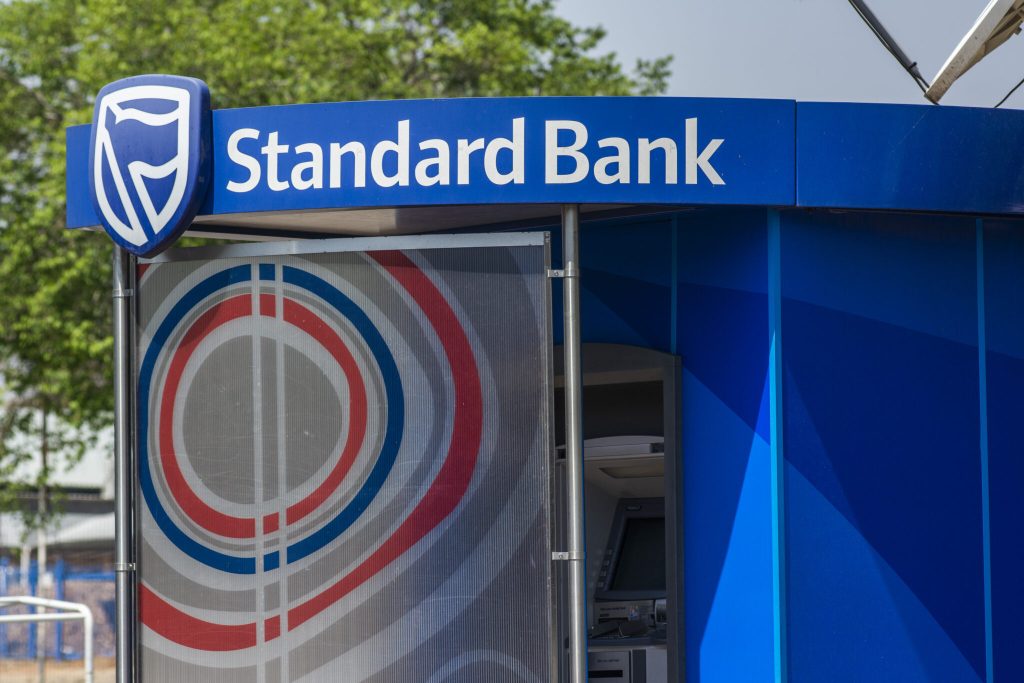
Angola is embarking on a significant financial strategy, with plans to sell a substantial stake in Standard Bank de Angola SA, a move that could generate approximately 208.5 billion kwanzas, or around $228 million. This initiative is part of a broader privatization effort aimed at modernizing the country’s economy and attracting foreign investment. As the Angolan government continues to navigate the complexities of its financial landscape, this divestiture highlights both opportunities and challenges for investors and traders alike.
At the heart of this transaction is the government’s decision to sell a 34% stake in Standard Bank de Angola, a subsidiary of South Africa’s Standard Bank Group. This stake was previously owned by Carlos Sao Vicente, a former insurance mogul who is currently imprisoned after being convicted of embezzlement and tax fraud. In a move to reclaim assets and stabilize the financial sector, the Angolan government seized a 49% stake in the bank from Vicente in 2020. The sale is not just a financial transaction; it represents a larger narrative of governance, accountability, and economic recovery in Angola.
The government plans to offer the shares at a price of 41,220 kwanzas each to Standard Bank Group, which already holds a 51% stake in the subsidiary. Additionally, a portion of the shares will be made available to the general public on the BODIVA stock exchange between September 11 and September 25, with prices ranging from 41,220 to 50,000 kwanzas. This approach not only allows for a significant capital influx but also engages the public in the financial markets, fostering a sense of ownership and participation in the nation’s economic future.
This strategic sale is part of a larger privatization program that was initiated by President João Lourenço as a means to revitalize the Angolan economy. Since taking office, Lourenço has focused on reducing the state’s footprint in various sectors and encouraging private investment. The privatization plan, spanning from 2019 to 2026, aims to divest stakes in numerous state-owned enterprises, with Standard Bank being just one of the first steps in this ambitious agenda.
Key takeaways from this situation include the importance of asset recovery and governance in Angola’s economic landscape. The government’s ability to reclaim and subsequently sell these assets underscores a commitment to restoring order in the financial sector. This can potentially enhance investor confidence, as it signals a move towards transparency and accountability in business practices. Moreover, the engagement with Standard Bank Group, a reputable institution, may bolster the credibility of the Angolan banking sector.
For traders and investors, this sale presents an opportunity to tap into the growing Angolan market. The involvement of Standard Bank Group indicates a belief in the potential for profitability in Angola, especially as the country seeks to improve its economic environment. Investors may find that purchasing shares during the public offering could yield significant returns, particularly if the government successfully implements its broader reform agenda.
It is also critical to consider the potential risks associated with investing in Angola. Economic stability, regulatory challenges, and the political landscape will play pivotal roles in shaping the investment climate. While the government’s privatization efforts are promising, investors must remain vigilant and conduct thorough due diligence before committing capital.
In conclusion, Angola’s plan to divest from Standard Bank de Angola is not merely a financial transaction; it represents a critical juncture in the country’s efforts to modernize its economy and attract foreign investment. By engaging both institutional and retail investors, the government is taking steps towards greater economic inclusivity. As the privatization program unfolds, stakeholders should keep a close eye on the developments in Angola, as they may reveal valuable insights into the region’s investment potential and the effectiveness of its ongoing reforms. The successful execution of this strategy could pave the way for a more robust economic future for Angola, providing a model for other nations navigating similar challenges.