
The luxury real estate market in South Africa is experiencing a remarkable surge, particularly in exclusive neighborhoods like Constantia Upper and Hout Bay. Amidst economic uncertainties, affluent buyers are displaying a robust appetite for high-end properties, suggesting that the demand for luxury living remains resilient. This article delves into the current trends and dynamics shaping South Africa’s luxury real estate landscape, providing insights for potential investors and traders.
As we navigate through 2023, the landscape of luxury properties in South Africa reveals a multifaceted story of growth and opportunity. The allure of lavish homes equipped with modern amenities and picturesque views continues to attract wealthy buyers, despite broader economic challenges. This resilience can be attributed to various factors, including limited inventory, increasing tourism, and a growing interest in real estate as a lucrative investment.
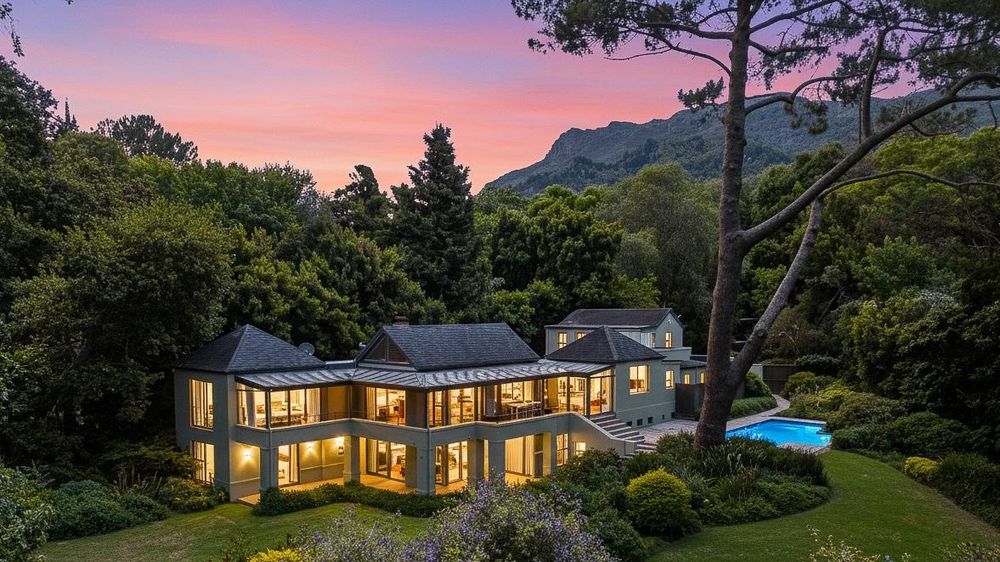
One of the standout offerings currently on the market is a magnificent homestead in Constantia Upper, priced at R35 million. This luxurious property features five spacious bedrooms, a wine cellar, a heated swimming pool, and multi-car garages, among other enticing amenities. For equestrian enthusiasts, the inclusion of two stables and a tack room adds to its appeal. What truly sets this estate apart is its breathtaking mountain views, which serve as a stunning backdrop for everyday living.
However, Constantia Upper is not the only hotspot in the South African luxury real estate market. The Park Avenue Boutique Estate in Hout Bay is another prime example, listed at a staggering R114 million plus VAT. This expansive estate spans 8,527 square meters and boasts a five-suite manor, several villas with private pools, and even a treehouse cottage equipped with a wood-fired hot tub. Notably, its comprehensive hotel zoning opens the door to various investment opportunities, making it a prime candidate for those looking to venture into the hospitality sector.
Recent data indicates that property values in Hout Bay have doubled over the past five years, reflecting a significant appreciation in the high-end market. For instance, Seeff, a prominent real estate agency, recently facilitated the sale of properties priced at R40 million and R65 million, underscoring the growing price ceilings in this coveted area. Similarly, in the Southern Suburbs of Cape Town, luxury property prices have soared, with average selling prices in neighborhoods like Bishopscourt and Constantia Upper reaching R30 million and R26 million, respectively.
Interestingly, the luxury market’s upward trajectory is occurring despite a notable decrease in the number of buyers, which has fallen by 17% compared to the previous year. This phenomenon can largely be attributed to a significant shortage of listings in these high-demand areas, with property stock halved year-on-year. The scarcity of available properties is a driving force behind the rising prices, as demand continues to outstrip supply.
Moreover, the burgeoning tourism sector in Cape Town is fueling the demand for luxury properties, particularly those with hospitality potential. As the city becomes an increasingly sought-after destination for travelers, the allure of investing in properties that can serve as boutique resorts or corporate retreats is becoming more evident.
From a trader or investor perspective, there are several key takeaways from the current luxury real estate climate in South Africa. Firstly, the high-end market appears resilient even amid economic fluctuations, indicating that luxury real estate remains a viable investment option. Secondly, the shortage of listings presents a unique opportunity for savvy investors to capitalize on the market’s demand and potentially reap significant returns. Lastly, the growing interest in hospitality assets highlights the potential for diversification within real estate investment portfolios.
In conclusion, the luxury real estate landscape in South Africa is thriving, driven by a combination of limited inventory, rising tourism, and a persistent demand for exclusive properties. With soaring prices and a unique array of offerings, now may be the opportune time for investors to explore this dynamic market. As we look ahead, the enduring allure of luxury living will likely continue to shape the narratives of both buyers and investors in the South African property sector, offering a promising avenue for future growth and prosperity.