
In the world of commodities, few indicators are as closely watched and as impactful as the price of oil. Recently, Brent crude oil has managed to hold its ground near the $100 per barrel mark, capturing the attention of traders and investors alike. The recent geopolitical developments, particularly involving Iran and Oman, have created a backdrop of uncertainty that has the potential to influence global oil markets significantly. This blog post delves into the current state of oil prices, the factors driving these fluctuations, and what this means for traders and investors.
As of late, Brent crude has experienced a noteworthy increase, climbing 1.6% over the last couple of sessions, while West Texas Intermediate (WTI) is nearing $93. This uptick in oil prices can largely be attributed to strong demand signals from China, which has been ramping up its oil purchases. Additionally, the impending agreement between Iran and Oman concerning the management of shipping routes through the strategically crucial Strait of Hormuz has added layers of complexity to the market dynamics.
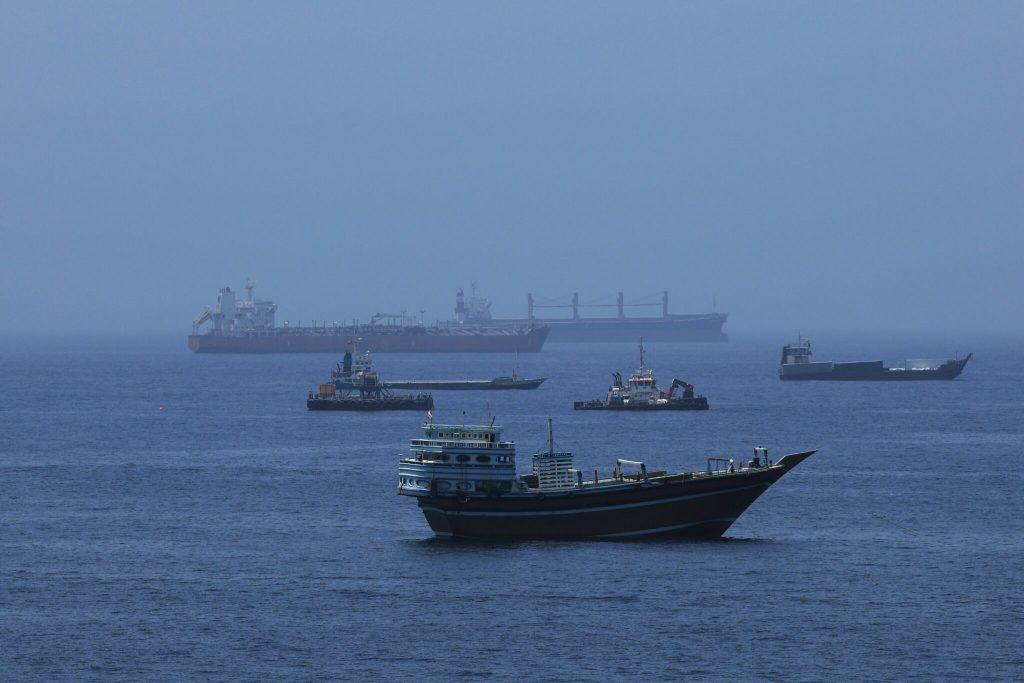
The Strait of Hormuz is a vital passage for oil shipments, with approximately 10 million barrels passing through daily. Any disruption in this route can have immediate repercussions on global oil supply and prices. Recently, Iran indicated that an agreement with Oman regarding a temporary safe shipping route is on the horizon, although the U.S. has been proactive in its military engagements, having struck Iranian tankers just days prior. This military posturing raises critical questions about how the U.S. will respond to any agreements that may emerge, particularly in light of Iran’s warnings about potential attacks on vessels near Oman.
The backdrop of escalating tensions has prompted analysts at Goldman Sachs to revise their oil price forecasts. They have suggested that the market is increasingly pricing in the likelihood of a prolonged conflict in the Middle East, which could lead to sustained disruptions in oil supply and potentially push Brent crude prices to levels as high as $120 per barrel. This sentiment is echoed by the reality that Brent has surged over 30% since the onset of the current conflict more than six months ago, although it remains below the peak of approximately $126 observed in late April.
Key points worth noting include the ongoing geopolitical risks, particularly the U.S.-Iran tensions, which have created an environment of uncertainty for oil traders. Furthermore, the tightening of the market due to increased Chinese demand for crude oil from various regions, including Africa, Canada, and Latin America, reflects a complex interplay of short-term buying trends rather than a definitive sign of a long-term recovery in demand.
For traders and investors, the current landscape offers both challenges and opportunities. The volatility in oil prices presents a potential for profit, but it also comes with inherent risks. The situation demands a careful analysis of market dynamics, geopolitical developments, and the broader economic context. Traders should be especially vigilant about the implications of any military actions or agreements that could affect shipping routes and overall supply.
In conclusion, the current state of the oil market underscores the intricate relationship between geopolitical events and commodity prices. As Brent crude hovers around the $100 mark, stakeholders in the oil sector must remain informed about the evolving situation in the Middle East and its potential repercussions on global oil flows. The interplay of strong demand from key players like China and the looming threat of military escalations creates a complex environment that requires strategic navigation. Ultimately, understanding these dynamics will be crucial for traders and investors looking to make informed decisions in a rapidly changing market landscape. As the situation unfolds, keeping an eye on developments in the Strait of Hormuz and the broader geopolitical context will be essential for anyone involved in oil trading or investment.