
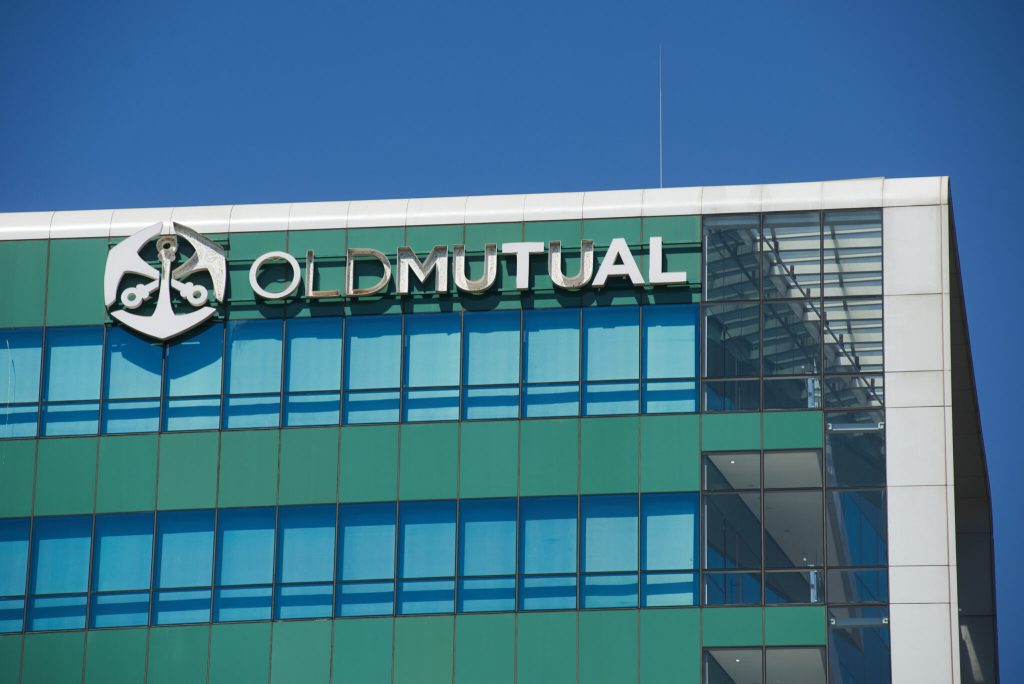
In an unprecedented turn of events, Old Mutual, the largest insurer in Africa by assets, has reported a notable decline in profits for the first time since 2022. This downturn has raised concerns among investors, particularly as it reflects the wider economic challenges stemming from geopolitical tensions, particularly in the Middle East. The financial landscape is being reshaped, and understanding the implications of these developments is crucial for traders and investors alike.
Old Mutual’s adjusted headline earnings took a significant hit, dropping by 30% to R2.95 billion (approximately $184 million) during the first half of 2023. This stark decline in earnings has far-reaching implications, particularly as the company declared an interim dividend of 40 cents per share, despite the challenges it faces. In a further analysis of the situation, profit attributable to shareholders fell by 5.2% to R3.89 billion, highlighting the stark reality that even established institutions can struggle amidst turbulent economic climates.
The backdrop to this financial downturn can largely be attributed to escalating tensions between the United States and Iran, which have had a cascading effect on global markets. Since February, these tensions have led to disruptions in seaborne traffic through critical shipping routes such as the Strait of Hormuz. The resulting ramifications have not only driven up energy prices but have also increased the costs associated with essential commodities like fertilizers. This has contributed to inflationary pressures, particularly in South Africa, Old Mutual’s primary market.
In June, inflation in South Africa surged to its highest rate in two years, hitting 5% before slightly easing to 4.3% in July. The increase in import costs due to geopolitical instability has made it increasingly challenging for the South African Reserve Bank (SARB) to maintain its 3% inflation target. The ongoing conflict suggests that a return to this target may take longer than previously anticipated, complicating the monetary policy landscape for both policymakers and investors.
Key points to consider in light of Old Mutual’s recent performance include:
1. **Geopolitical Risks**: The ongoing conflicts in the Middle East serve as a reminder of how global tensions can significantly impact financial markets, elevating investment risks and creating uncertainty.
2. **Inflationary Impacts**: The sharp rise in inflation rates in South Africa underscores the broader economic challenges that can arise from external factors, highlighting the need for vigilant monitoring by both investors and policymakers.
3. **Investment Returns**: The decline in investment returns for Old Mutual is a reflection of the interconnectedness of global markets. Investors must consider how international events can influence local companies and their profitability.
4. **Dividend Decisions**: Despite the decline in profit, Old Mutual’s decision to declare an interim dividend suggests a commitment to shareholder returns, yet it raises questions about sustainability in the face of ongoing challenges.
For traders and investors, the implications of Old Mutual’s profit decline extend beyond the immediate financial metrics. The current environment is characterized by heightened volatility and uncertainty, which necessitates a more cautious approach to investment strategies. Those involved in trading or investing in insurance stocks or related sectors should be particularly aware of the potential impacts of geopolitical tensions on stock performance.
Moreover, investors may want to diversify their portfolios to mitigate risks associated with instability in specific markets. This could involve exploring opportunities in sectors less affected by geopolitical developments or considering assets that traditionally provide a hedge against inflation, such as commodities.
In conclusion, Old Mutual’s profit decline serves as a critical reminder of the intricate linkages between global events and local markets. The financial landscape is increasingly shaped by geopolitical tensions, which can have profound implications for investment returns and economic stability. By staying informed and adopting a proactive investment strategy, traders and investors can navigate these challenges more effectively. The current climate calls for vigilance and adaptability as we move forward in a world marked by uncertainty.