
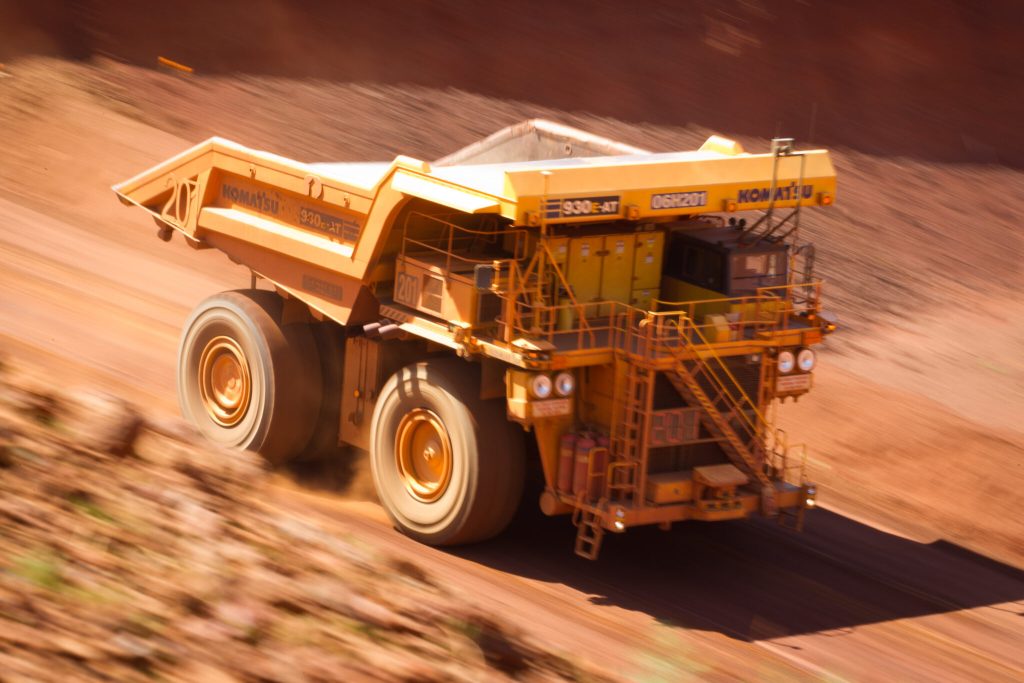
In a strategic move to bolster its portfolio, Rio Tinto Group has announced its agreement to acquire the Aurukun bauxite project, located in the northeastern region of Australia. This acquisition comes from Glencore Plc and Mitsubishi Development, marking a significant step for Rio Tinto in its ongoing efforts to enhance its mining operations. While the financial details of the transaction remain undisclosed, the announcement has generated considerable interest in the mining sector, especially as Rio Tinto prepares for changes in its existing operations.
The Aurukun project is currently held under a mineral development license, waiting for the necessary mining lease to be granted. This project’s proximity to Rio Tinto’s existing bauxite mines on western Cape York presents an opportunity for the company to streamline its operations and strengthen its supply chain. Bauxite, a critical raw material, is primarily refined into alumina, which is then processed into aluminum. As the demand for aluminum continues to rise, the acquisition of Aurukun positions Rio Tinto to capitalize on this growth.
Rio Tinto’s decision to pursue this acquisition is particularly timely, as the company plans to cease operations at its Gove bauxite mine in the Northern Territory by the end of the decade. Furthermore, production at the East Weipa mine in Queensland is expected to wind down in 2024. The Aurukun project could serve as a crucial replacement for these diminishing resources, allowing Rio Tinto to maintain its output levels and fulfill its commitments to customers.
Key points surrounding the acquisition include the project’s location, the current licensing status, and the regulatory hurdles that lie ahead. The Aurukun project is situated near Rio Tinto’s existing mining operations, which could facilitate a more efficient transition and integration into the company’s existing framework. However, the acquisition is subject to approvals from the Queensland Government and other Australian regulatory bodies. This step is critical, as regulatory compliance can significantly impact the timeline and feasibility of mining projects in Australia.
For investors and traders, this acquisition raises several important considerations. First, it highlights Rio Tinto’s proactive approach in securing new resources amid changing operational landscapes. The company’s ability to adapt and evolve, particularly as it phases out older mines, signals a commitment to long-term sustainability and growth. Investors often seek companies that demonstrate such foresight, as it can lead to increased profitability and stability in the face of market fluctuations.
Additionally, the acquisition aligns with broader trends in the mining industry, where companies are increasingly focused on securing sustainable and ethical sources of raw materials. As global demand for aluminum continues to grow—driven by sectors such as automotive, construction, and technology—Rio Tinto’s acquisition of Aurukun could position the company favorably in an increasingly competitive market.
Moreover, the deal emphasizes the importance of geographical positioning in mining operations. Proximity to existing infrastructure and resources can significantly reduce operational costs and enhance efficiency. For traders, understanding these dynamics can provide valuable insights into the future performance of mining stocks.
In conclusion, Rio Tinto’s acquisition of the Aurukun bauxite project represents a bold and strategic move that may redefine the company’s operational landscape. As the mining giant prepares to bid farewell to some of its aging mines, this new venture offers a glimmer of hope for maintaining its production capabilities and market relevance. The successful integration of Aurukun into Rio Tinto’s operations will depend on navigating regulatory approvals and ensuring that the project aligns with the company’s sustainability goals. For investors and traders, keeping an eye on how Rio Tinto manages this transition and capitalizes on the bauxite market will be crucial in evaluating the company’s future prospects. As the mining sector continues to evolve, Rio Tinto’s latest acquisition could be a pivotal moment in its journey toward long-term success.