
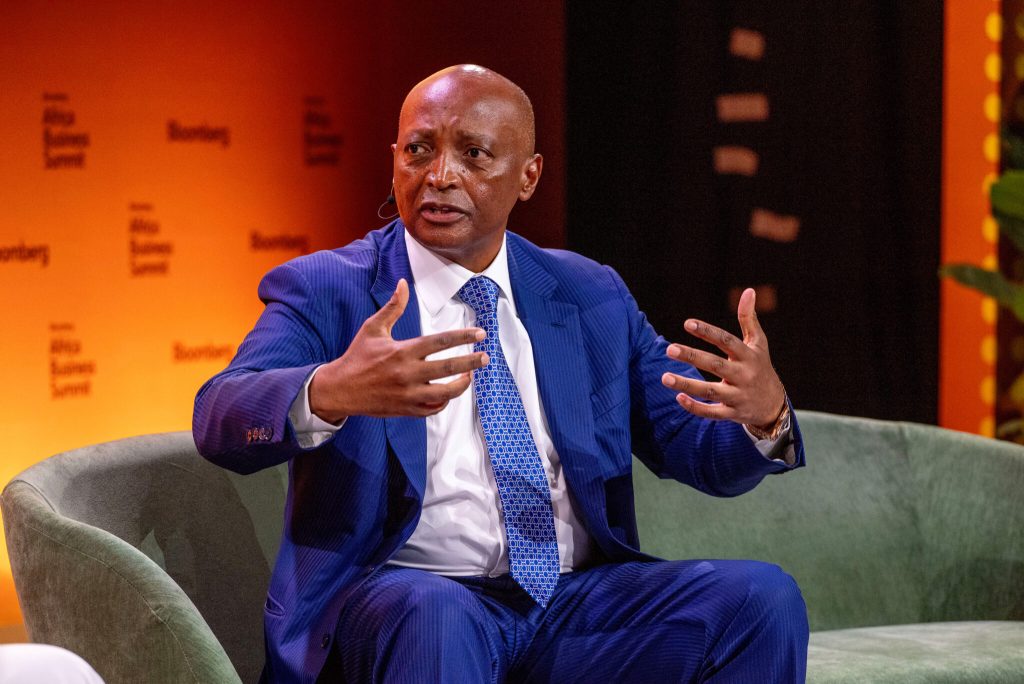
The world of investment is often fraught with risks, and when even seasoned billionaires encounter setbacks, it serves as a reminder of the unpredictable nature of financial markets. A recent case that stands out is that of Patrice Motsepe, one of South Africa’s wealthiest individuals, whose long-standing support for the phosphate producer Kropz Plc has taken a significant turn for the worse. With the company announcing a major restructuring of its Elandsfontein mine, the implications of this development extend far beyond Motsepe’s personal portfolio and reflect broader trends in the global fertilizer industry.
Kropz Plc, based in London, has been under Motsepe’s wing since 2018 when his investment firm, African Rainbow Capital, began acquiring shares. His backing was intended to bolster the phosphate producer, which has struggled to maintain profitability. The Elandsfontein mine, located approximately 70 miles from Cape Town, was expected to be a cornerstone of Kropz’s operations, but it has instead turned into a liability. After a staggering R2.6 billion investment, the company announced it would halt production of its main product, phosphate rock, and restructure its operations due to mounting financial pressures exacerbated by geopolitical tensions, particularly the ongoing conflict between the U.S. and Iran. This situation has led to disruptions in the global fertilizer market, leaving Kropz with dwindling demand for its phosphate products.
The announcement of the restructuring was not only a blow to Kropz but also to its contractors, particularly the Trollope Mining Group, which has been integral to the operations at Elandsfontein. A letter from Trollope to employees indicated that the future of their contracts is in jeopardy, with potential job losses numbering in the hundreds. This reality underscores a critical aspect of the investment landscape: while the financial backing of a billionaire can provide a safety net, it does not guarantee success in a volatile market environment.
Key points emerging from Kropz’s predicament highlight the fragility of investment in the natural resources sector. Firstly, the challenges faced by Kropz illustrate how external factors, such as geopolitical conflicts, can have far-reaching impacts on industry-specific operations. The disruption of key inputs for fertilizer production has created a ripple effect that has not only affected Kropz’s profitability but has also reduced its market capitalization drastically—from a peak of £120 million in 2022 to merely £9.1 million after the latest announcement.
Additionally, the company’s decision to pivot towards producing nanophos, a form of phosphate that releases nutrients more gradually, signifies a strategic shift in response to market demands. While this move may offer a new revenue stream, it also highlights the uncertainty that comes with transitioning core operations. Investors must weigh the potential benefits of this new direction against the backdrop of Kropz’s historical struggles to meet production targets and the controversies surrounding its mining operations.
For traders and investors, the Kropz case serves as a cautionary tale. It emphasizes the importance of conducting thorough due diligence before making investment decisions, particularly in industries susceptible to external shocks. The fertilizer market, influenced by agricultural demand, geopolitical tensions, and environmental regulations, is inherently complex. Investors must stay informed about global trends and be prepared for rapid changes in the market landscape.
In conclusion, the recent developments at Kropz Plc illustrate the unpredictable nature of investments, particularly within the natural resources sector. Patrice Motsepe’s experience underscores that even substantial financial backing cannot shield companies from market volatility and external pressures. As Kropz attempts to navigate its restructuring and focus on new product lines, stakeholders must remain vigilant and adaptable. The lessons learned from this saga will undoubtedly resonate with investors and traders alike, reminding them of the need for resilience and strategic foresight in an ever-evolving financial ecosystem.