
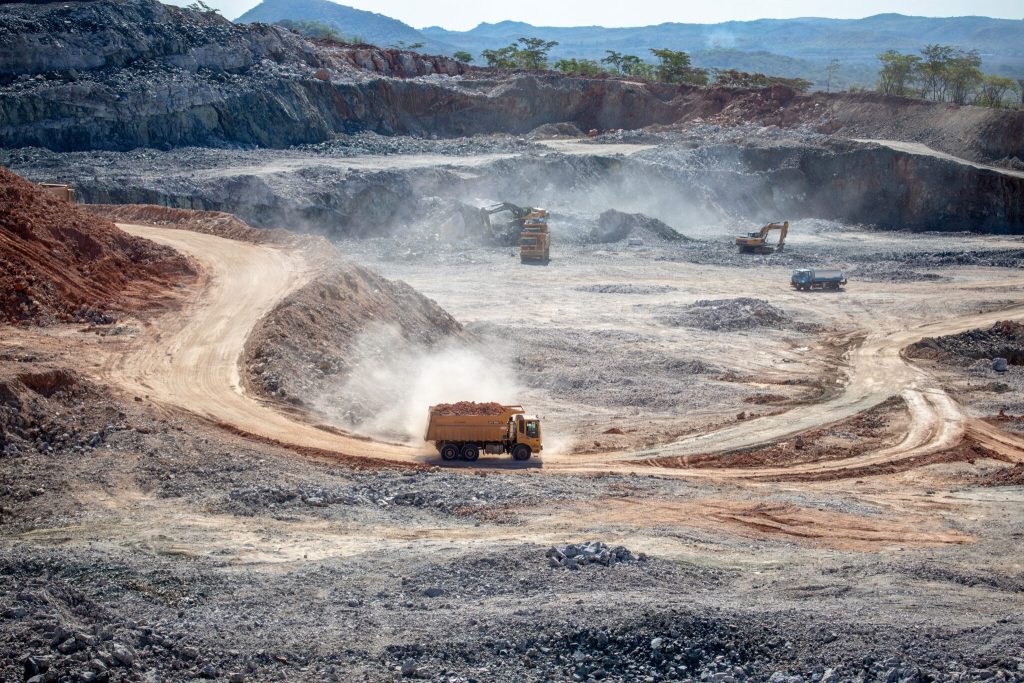
In a significant policy shift, the Zimbabwean government has imposed an immediate ban on the export of antimony and tungsten, two critical minerals that play a vital role in various industries. This decision is part of a broader initiative aimed at enhancing local beneficiation and refining of mineral resources within the country. As governments across Africa strive to extract more value from their natural resources, Zimbabwe’s latest measures reflect a strong commitment to boosting domestic processing capabilities and promoting economic growth.
The ban on the export of antimony and tungsten, as communicated in a letter from Thomas Wushe, the Secretary for Mines, to the Minerals Marketing Corporation of Zimbabwe (MMCZ), underscores the government’s determination to encourage mining companies to refine more materials locally. This approach is not isolated to Zimbabwe; similar measures have been adopted by other African nations such as Guinea, Ghana, and the Democratic Republic of Congo, all of which are looking to maximize the economic benefits derived from their mineral wealth.
Zimbabwe’s mining sector has long been a cornerstone of its economy, contributing significantly to foreign exchange earnings and employment. However, the country has faced challenges related to the export of raw minerals, which often results in lost opportunities for value addition and job creation. By implementing this ban, the government aims to compel mining firms to invest in local refining processes, thereby retaining more economic benefits within the country.
This is not the first time Zimbabwe has taken steps to promote domestic processing. Earlier in February, the government halted shipments of lithium concentrate, a key component in the production of electric vehicle batteries. This move was largely motivated by the desire to foster domestic processing of higher-value lithium products while curbing illegal exports. Although the export restrictions were relaxed in April, the government has now firmly decided to implement a comprehensive ban by the start of 2027.
The MMCZ is tasked with the marketing and selling of all minerals in Zimbabwe except for gold and silver. This organization plays a crucial role in ensuring that the nation maximizes its mineral wealth. By focusing on local refinement, the government hopes to create a more sustainable mining sector that not only benefits the economy but also fosters environmental stewardship and responsible mining practices.
Key points to consider regarding this ban include:
1. **Economic Diversification**: By promoting local processing, Zimbabwe aims to create a more diversified economy that is less reliant on raw mineral exports. This could lead to the development of new industries and job opportunities within the country.
2. **Attracting Investment**: The government’s push for local refinement may attract both local and foreign investments in processing facilities. This increased investment could enhance job creation and skill development in the mining sector.
3. **Environmental Considerations**: Local processing can often be more environmentally friendly than exporting raw minerals, as it allows for better regulation and management of the mining processes involved.
4. **Long-term Vision**: The temporal nature of the ban, with a clear implementation deadline set for 2027, indicates a strategic long-term vision for the mining sector. This timeline allows companies to adjust their operations and invest in local processing capabilities.
For traders and investors, this new policy presents both challenges and opportunities. On one hand, the immediate impact of the export ban could lead to short-term volatility in the prices of antimony and tungsten as global supply chains adjust. On the other hand, the emphasis on local refinement may create new investment opportunities in processing technologies and facilities. Investors looking to capitalize on Zimbabwe’s rich mineral resources will need to keep a close eye on the developments in domestic policies and the operational capabilities of mining companies.
In conclusion, Zimbabwe’s decision to ban the export of antimony and tungsten represents a pivotal step in the nation’s efforts to enhance local processing of its mineral resources. By fostering domestic refinement, the government aims to create a more resilient economy, attract investment, and ensure that more value is retained within the country. As Zimbabwe moves toward this ambitious goal, stakeholders in the mining sector, including traders and investors, must remain proactive and adaptive to the evolving landscape of the country’s mining policies. The journey ahead is filled with potential and challenges, but the ultimate goal of economic empowerment and sustainable growth is within reach.