
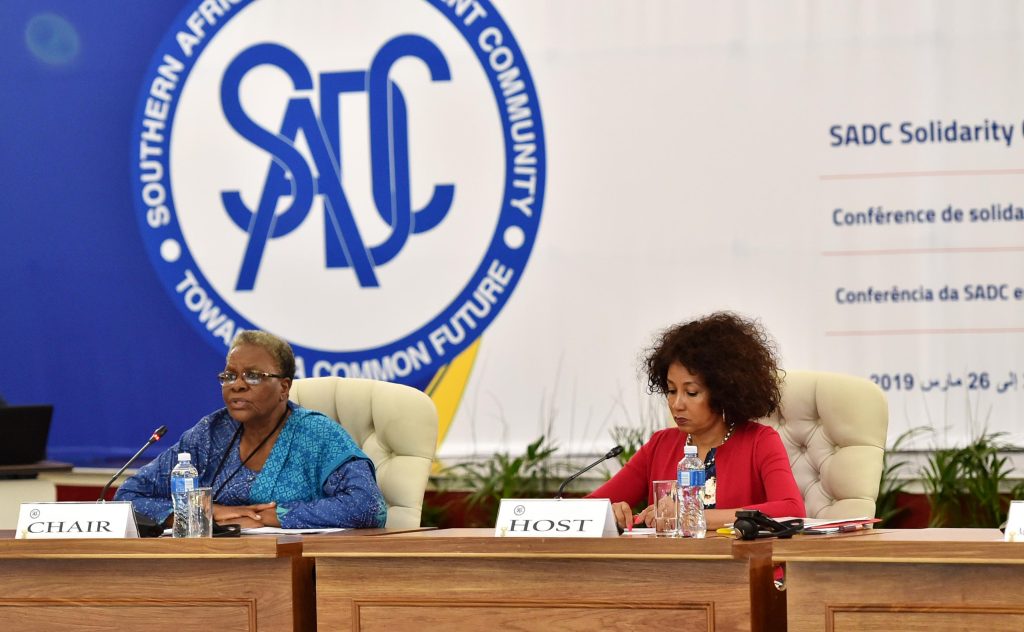
In the wake of the recently concluded 46th Southern African Development Community (SADC) Summit, the conversation around small, micro, and medium enterprises (SMMEs) has become increasingly vital. As the backbone of many economies, SMMEs have the potential to drive job creation and stimulate economic growth. However, despite numerous strategies and frameworks aimed at supporting these enterprises, there remains a significant gap in coordination and implementation across the region. This blog post delves into the current landscape for SMMEs in the SADC region, highlighting the challenges, opportunities, and the critical need for a cohesive approach to harness their full potential.
SMMEs are often touted as the engines of economic growth, particularly in developing regions like Southern Africa. They are responsible for a significant portion of job creation and contribute to the diversification of economies. However, the reality is that many SMMEs operate within an informal sector, which poses unique challenges. These businesses often lack access to essential resources such as funding, training, and market information, which can severely limit their growth and sustainability.
Faizal Mkhize, managing executive for business development at Absa Business, emphasizes that the SADC region has a plethora of strategies aimed at promoting SMMEs. However, he points out that the real challenge lies in the execution of these strategies. The SADC member states need to come together and ensure that policies supporting SMME development are not only well-formulated but also effectively implemented. This is crucial for addressing the high unemployment rates, particularly among the youth, and for fostering a conducive environment for economic growth.
One of the significant hurdles facing SMMEs in the SADC region is the lack of harmonization between national interests and regional objectives. Each member country competes for progress, which can lead to fragmented efforts that fail to capitalize on the synergies available within the region. Mkhize argues that while competition is healthy, there is a pressing need for countries to recognize their unique value chains and core competencies. For instance, what works in Botswana may not necessarily be suitable for Mozambique. By understanding and optimizing these differences, SADC countries can create a more integrated and supportive ecosystem for SMMEs.
A key takeaway from Mkhize’s insights is the importance of collaboration and knowledge sharing among member states. The SADC region is rich in diversity, with each country having its strengths and weaknesses. By fostering partnerships and sharing best practices, countries can learn from one another and implement strategies that have proven successful in similar contexts. This collaborative approach can lead to the establishment of a robust network of SMMEs that can compete not just regionally but also on a global scale.
Investors and traders looking to tap into the SMME market in the SADC region should consider a few critical factors. First, understanding the local market dynamics and consumer behavior is essential. Each country has its unique challenges and opportunities, and a one-size-fits-all approach is unlikely to yield positive results. Additionally, investors should be aware of the regulatory environment and the support structures in place for SMMEs. Engaging with local stakeholders and government bodies can provide valuable insights and enhance the likelihood of success.
Furthermore, investors should look at the potential for innovation within the SMME sector. Many small businesses are agile and can adapt quickly to changing market conditions. This adaptability can lead to the development of innovative products and services that meet the specific needs of local consumers. By supporting these enterprises, investors can not only generate financial returns but also contribute to the broader economic development of the region.
In conclusion, the future of SMMEs in the SADC region hinges on the ability of member states to break down silos and work collaboratively towards common goals. The potential for economic growth and job creation is immense, but it requires a concerted effort to implement existing strategies effectively. By recognizing the unique characteristics of each country and fostering partnerships, the SADC region can create a thriving environment for SMMEs that drives sustainable economic growth. As stakeholders in this journey, it is crucial to prioritize the development and support of small businesses, ensuring they are at the heart of economic policy and action.