
In a bold move to streamline operations and enhance competitiveness, Volkswagen AG is evaluating the future of its motorcycle division, Ducati. This decision comes as part of a significant restructuring effort aimed at refining the German automaker’s extensive portfolio, which includes a whopping 2,000 businesses. Audi’s CEO, Gernot Döllner, recently confirmed that Ducati is one of the several brands under review, highlighting a commitment to disciplined portfolio management. As Volkswagen navigates this transformative phase, the implications for both the company and its stakeholders are profound.
At the heart of Volkswagen’s strategy lies the need to adapt to a rapidly changing automotive landscape. The pressures of electrification, sustainability, and shifting consumer preferences have prompted the company to reassess its business ventures. With Ducati, a brand synonymous with high-performance motorcycles, the potential sale underscores Volkswagen’s intention to focus on core automotive competencies while shedding non-essential assets.
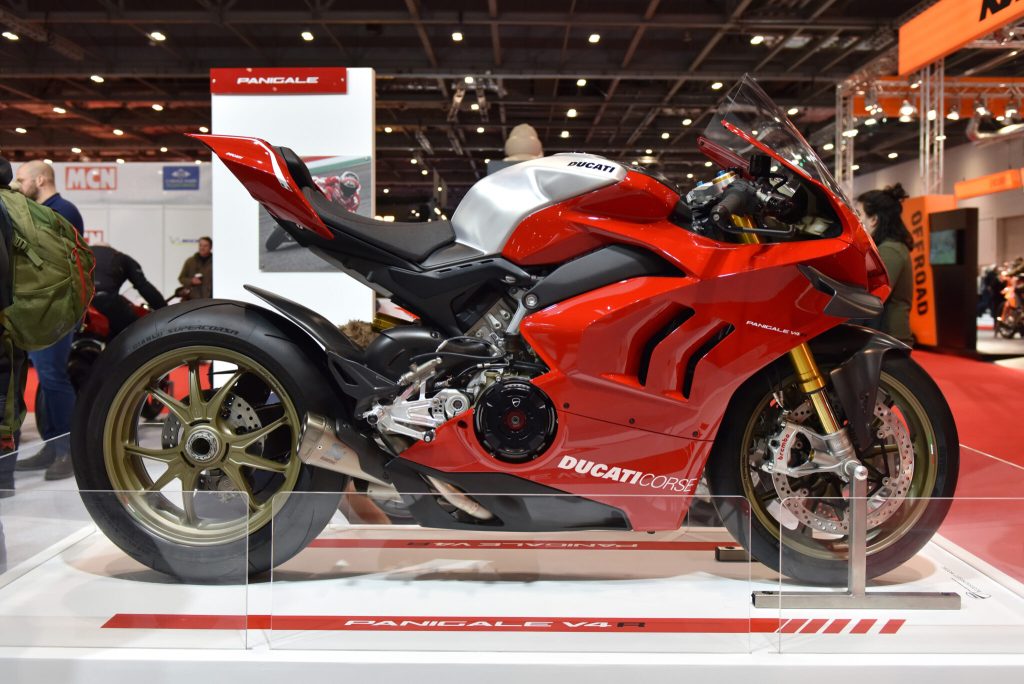
Ducati, headquartered in Bologna, Italy, has carved a niche for itself in the motorcycle industry, particularly known for its iconic superbikes like the Panigale. Bloomberg Intelligence analyst Michael Dean estimates that the brand could be valued at around €1.25 billion (approximately $1.5 billion) based on comparisons with industry peers. This valuation is significant, considering that Ducati has generated impressive revenue figures and established a following of dedicated enthusiasts known as “Ducatisti,” who have an unwavering loyalty to the brand.
The decision to consider selling Ducati is not entirely new for Volkswagen. In 2017, the company explored divesting the historic motorcycle manufacturer but ultimately halted the process due to pushback from labor representatives in Germany. This time, however, the context is different. Volkswagen’s supervisory board has recently approved a restructuring plan that aims to reduce the company’s portfolio by approximately one-third. The sale of Ducati could be viewed as a strategic move to raise capital and concentrate resources on Volkswagen’s primary automotive operations.
Despite its strong brand reputation and market presence, Ducati has faced challenges in meeting Volkswagen’s ambitious financial targets. The motorcycle manufacturer has an operating margin that falls short of the 9% goal set by Volkswagen’s CEO, Oliver Blume, for the broader group by 2030. Last year, Ducati sold around 50,000 units, generating €925 million in revenue and a modest operating profit of €52 million. These figures reflect the brand’s solid performance, yet they raise questions about its long-term alignment with Volkswagen’s strategic objectives.
Döllner’s comments also hinted at broader plans for Audi, which is exploring options for vehicle production in the United States. Currently, Audi lacks manufacturing capabilities in the country, leaving it vulnerable to tariffs compared to competitors like BMW and Mercedes-Benz. This exploration reflects a desire to adapt to market demands and enhance operational efficiency, similar to Volkswagen’s overarching restructuring aims.
For traders and investors, Volkswagen’s potential sale of Ducati presents both risks and opportunities. The move could signal a shift in the company’s focus toward its core automotive business, potentially leading to improved financial performance in the long term. However, the sale of a beloved brand like Ducati may also spark concerns among loyal customers and enthusiasts, potentially impacting brand equity.
Investors should also consider the broader implications of Volkswagen’s restructuring strategy. The automotive industry is undergoing a seismic transformation, with electric and autonomous vehicles reshaping the competitive landscape. As Volkswagen seeks to streamline its operations and better position itself within this evolving market, the success of its initiatives will depend on effective execution and a clear vision for the future.
In conclusion, Volkswagen’s contemplation of selling Ducati signifies a pivotal moment in the company’s journey towards restructuring and revitalization. The potential divestiture reflects not only the challenges faced by the motorcycle segment but also the broader ambition to enhance Volkswagen’s competitive edge in the automotive sector. As the company navigates these changes, stakeholders must remain vigilant and adaptable, mindful that the automotive landscape continues to evolve at an unprecedented pace. The decisions made today will undoubtedly shape the trajectory of Volkswagen and its brands for years to come.