
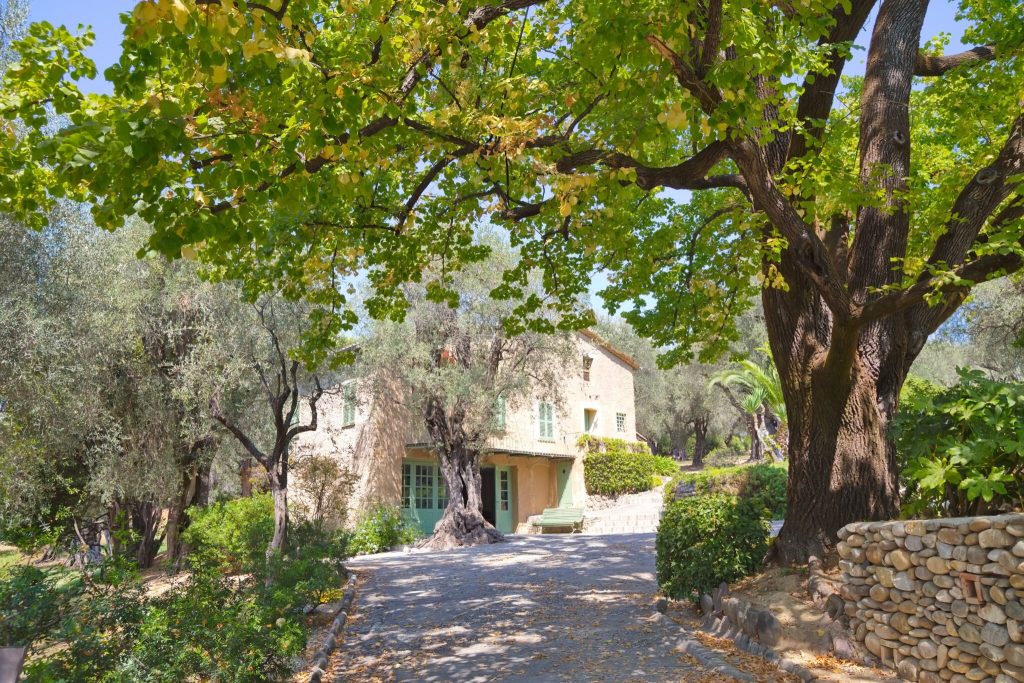
In the world of fine art, the allure of masterpieces often comes hand in hand with a darker reality—the threat of theft. Recently, a brazen heist at a museum dedicated to the works of Pierre-Auguste Renoir on the French Riviera has put a spotlight on vulnerabilities within European art institutions. As the value of stolen art continues to escalate, it’s essential to understand the financial ramifications of these thefts, both for the institutions involved and the broader art market.
On a quiet Tuesday morning, thieves broke into the Renoir museum located in Cagnes-sur-Mer, managing to make off with artworks valued at approximately €9 million, or around $10.5 million. This incident is not an isolated one; it joins a troubling trend of art thefts across Europe, raising questions about security protocols in cultural institutions. The thieves, as reported, even dropped one of the four stolen paintings while fleeing, an act that underscores the chaotic nature of these crimes.
Security measures at museums have faced increasing scrutiny following a series of high-profile thefts. In fact, just a year prior, the Louvre in Paris suffered a staggering $100 million heist, an incident that led to a comprehensive action plan from the French cultural ministry aimed at bolstering security. The recent theft at the Renoir museum will likely prompt further evaluations of security strategies across similar institutions, as officials seek to protect invaluable cultural assets.
The implications of these thefts extend beyond the immediate loss of art. Each incident threatens to undermine public confidence in the ability of museums to safeguard their collections. This erosion of trust can have significant financial repercussions. Attendance may dwindle as potential visitors become wary of security lapses, leading to decreased ticket sales and less overall revenue for these cultural institutions. Additionally, insurance premiums are likely to rise, further straining budgets already limited by funding cuts and economic uncertainties.
Key points to consider in the wake of this latest theft include:
1. **Increased Security Costs**: Museums may face heightened security expenses as they scramble to implement more robust protection measures, potentially diverting funds from other important areas like exhibitions and community programs.
2. **Impact on Art Valuation**: The market for stolen art can also influence the valuation of legitimate pieces. Art that has been stolen often carries a stigma, which can affect its resale value and marketability. This can be particularly concerning for collectors and investors who seek to ensure the integrity of their collections.
3. **Cultural Heritage at Risk**: Each theft represents not just a financial loss but also a cultural one. The works of art stolen are often part of a community’s heritage, and their absence can diminish local identity and pride.
As investors and traders in the art market, it’s crucial to remain vigilant. The recent spate of thefts serves as a reminder of the inherent risks involved in the acquisition and ownership of fine art. Due diligence is essential, ensuring that pieces come with verified provenance and are adequately insured against theft. Engaging with reputable galleries and auction houses can mitigate risks, as these institutions often have safeguards in place to protect their clients’ investments.
Furthermore, art investors should consider the broader implications of security lapses within the industry. The potential for theft can create volatility in the market, impacting the value of artworks and the stability of investments. Engaging with insurance professionals to discuss coverage options tailored to the unique risks associated with art ownership is also advisable.
In conclusion, the recent theft at the Renoir museum highlights a growing concern within the art world regarding security and the financial implications of cultural theft. As museums grapple with the challenges of protecting their collections, investors and collectors must remain informed and proactive. The art market is not just about acquiring beautiful pieces; it also involves navigating a complex landscape where security, valuation, and cultural heritage intersect. As we move forward, it will be essential for all stakeholders to prioritize the protection of our shared cultural assets while remaining aware of the financial ramifications that come with ownership in this ever-evolving market.